
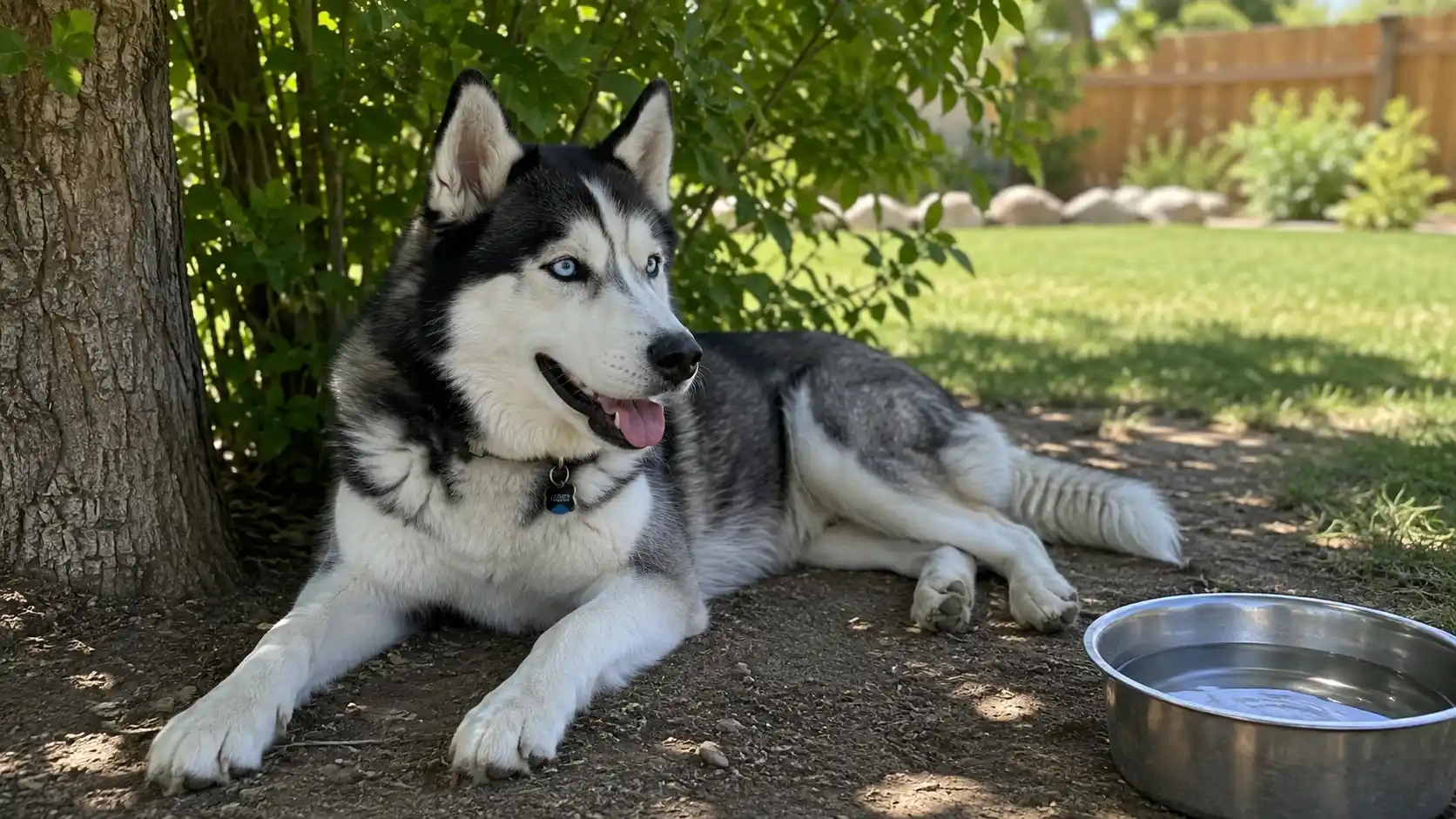
Siberian husky care changes quite a bit once summer rolls around, and if you own one of these dogs, you already know why. Huskies were bred for the cold, snowy stretches of Siberia, not for humid afternoons or heat waves. Their thick double coat, which keeps them warm in freezing temperatures, can actually work against them when the mercury climbs. This does not mean your husky cannot handle warm weather. It just means you need to adjust how you care for them so they stay safe, comfortable, and healthy all summer long. This guide walks through everything you need to know about siberian husky care during hot months, from grooming and hydration to spotting the early signs of overheating.
Why Huskies Struggle More With Heat
To understand proper siberian husky care in summer, it helps to know why this breed feels the heat more than most dogs.
Huskies were developed by the Chukchi people in northeastern Asia to pull sleds through Arctic conditions. Everything about their body is built for cold. Their double coat has a dense undercoat that traps warm air close to the skin, plus a longer topcoat that repels moisture and blocks wind. Huskies also run a slightly higher metabolism than many breeds, which helps them generate body heat in freezing climates but works against them when temperatures rise.
On top of that, like all dogs, huskies do not sweat through their skin the way humans do. They rely mostly on panting to cool down, along with a small amount of sweating through their paw pads. That combination of a heavy coat, a higher metabolic rate, and limited cooling options is exactly why huskies need extra attention once the weather warms up.
Never Shave Your Husky’s Coat
This is one of the most common mistakes husky owners make, and it usually comes from good intentions. Shaving a husky to help it stay cool actually does the opposite.
The double coat is not just insulation against cold. It also protects the skin from sunburn and helps regulate body temperature in both directions, warm and cool. Removing that coat leaves the skin exposed to direct sun, which increases the risk of sunburn and even skin cancer over time. It can also disrupt the coat’s ability to regrow properly.
Instead of shaving, focus on regular brushing. Deshedding brushes remove loose undercoat fur, which improves airflow to the skin and helps the natural cooling process work the way it is supposed to. Brushing a few times a week during shedding season keeps the coat manageable without stripping away its protective function.
Watch the Clock for Exercise and Walks
Timing matters just as much as duration when it comes to summer exercise. The hottest parts of the day, usually late morning through mid afternoon, are the worst time to walk or exercise a husky.
Try to schedule walks and playtime for early morning or evening, when the temperature and sun intensity are both lower. Hot pavement is another risk that often gets overlooked. Asphalt and concrete can reach temperatures far higher than the air around them, and this can burn a husky’s paw pads within minutes. A simple way to check is pressing your palm against the pavement for a few seconds. If it feels too hot for your hand, it is too hot for your dog’s paws.
Booties designed for dogs can help protect paws during unavoidable walks in warmer conditions, and sticking to grassy or shaded routes whenever possible reduces the risk even further.
Hydration Is Non Negotiable
Fresh, cool water needs to be available at all times during hot weather, both indoors and outdoors. Huskies can dehydrate faster than people expect, especially if they are still getting regular exercise or spending time outside.
A few practical tips make this easier to manage:
- Refill water bowls more often, since water warms up and evaporates faster in heat
- Consider a pet water fountain, which encourages some dogs to drink more than they would from a still bowl
- Bring a portable water bottle and bowl on any walk longer than a few minutes
- Add ice cubes to the water bowl on especially hot days to help keep it cool longer
If your husky seems to be drinking less than usual despite the heat, that is worth paying attention to, since reduced water intake can be an early sign that something else is going on.
Give Them a Cool Place to Rest
Air conditioning is the safest option during extreme heat, and if you do not already have it, a husky is a strong argument for getting some. Cool tile floors, shaded spots in the yard, and fans placed near your dog’s resting area all help as well.
Cooling mats and cooling vests have become popular products for husky owners in warmer climates, and they can genuinely help lower a dog’s body temperature during rest periods. Damp towels draped over a dog’s back or a shallow kiddie pool for supervised splashing are also simple, low cost ways to help a husky cool down on especially hot afternoons.
Never leave a husky, or any dog, in a parked car during warm weather, even for a few minutes with the windows cracked. Car interiors heat up far faster than most people expect, and this remains one of the leading causes of preventable heatstroke in dogs every year.
Know the Warning Signs of Overheating
Good siberian husky care means knowing what heat exhaustion and heatstroke actually look like, so you can act quickly if something goes wrong.
Watch for these signs:
- Heavy, rapid panting that does not slow down
- Excessive drooling
- Lethargy or reluctance to move
- Bright red gums or tongue
- Vomiting
- Stumbling or loss of coordination
- Collapse
If you notice any of these symptoms, move your husky to a cool, shaded area immediately. Offer small amounts of cool, not ice cold, water. Applying cool damp towels to the neck, armpits, and groin area can help bring body temperature down while you prepare to get to a veterinarian. Heatstroke can escalate quickly in dogs, so treating these symptoms as an emergency rather than waiting to see if they improve is always the safer choice.
Adjust Diet and Activity Levels Seasonally
Some husky owners find it helpful to adjust feeding schedules slightly during summer, since dogs often eat less when temperatures are high. This is usually normal, but it is still worth keeping an eye on to make sure your husky is getting enough nutrition and energy, especially if activity levels are also being scaled back for the season.
Reducing intense exercise like running or extended hikes during peak summer heat, while still allowing shorter walks and mental stimulation through games or training, helps keep your husky both physically and mentally satisfied without pushing them into overheating territory.
more info: Bulldog Care Guide for First-Time Owners
Final Thoughts
Siberian husky care in hot weather comes down to a few consistent habits. Keep the coat brushed instead of shaved. Time walks around the coolest parts of the day. Keep fresh water available at all times, and give your husky a genuinely cool place to rest when temperatures climb. Learning the early signs of overheating means you can step in before a manageable situation turns into an emergency. Huskies can absolutely thrive outside of cold climates, but it takes a bit more attention and planning on your part during the warmer months. With the right routine in place, your husky can stay just as happy and healthy in summer as they are during the snowy season they were originally built for.