
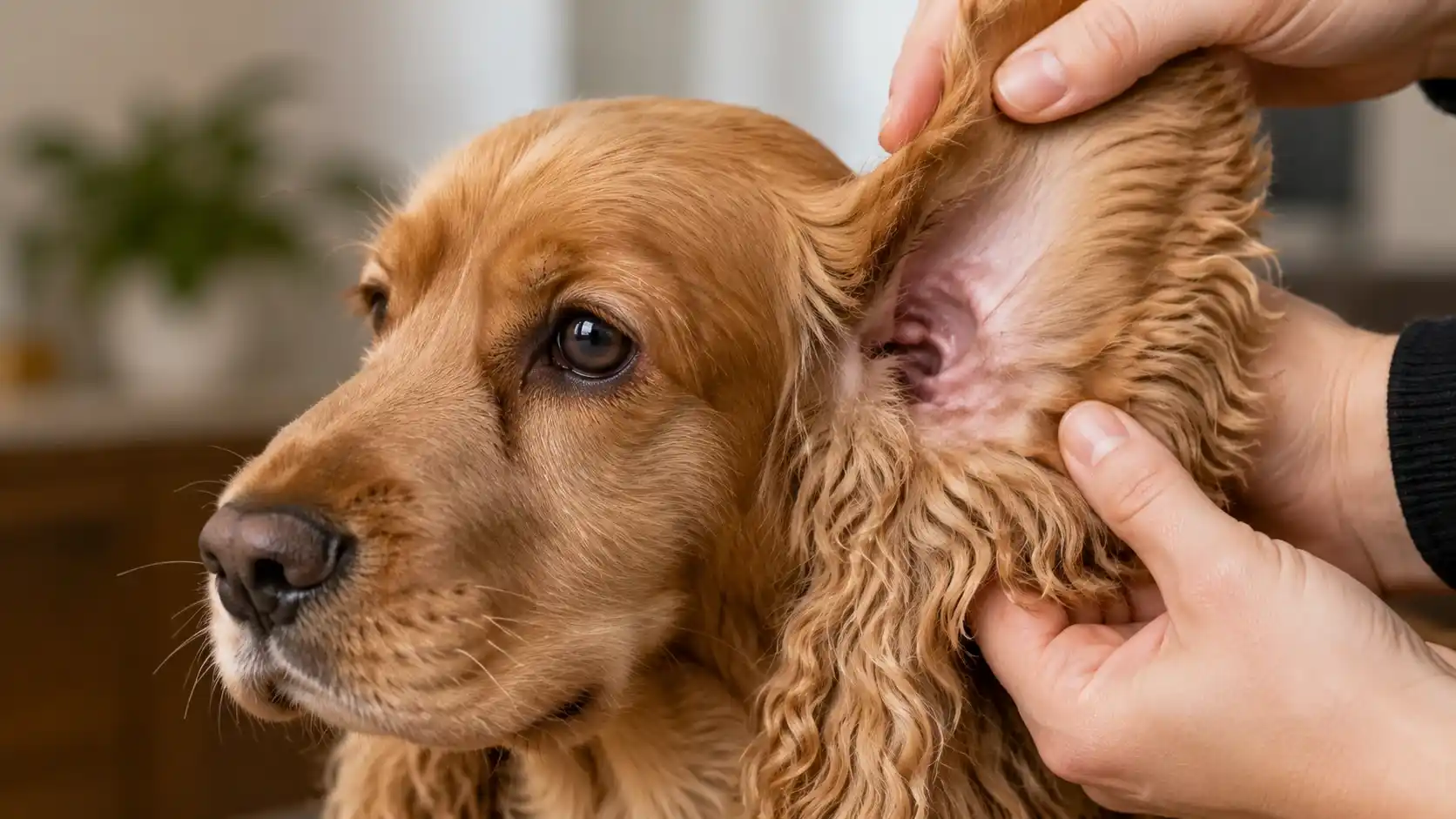
If you own a Cocker Spaniel, ear infections probably feel like a familiar headache. Cocker spaniel ear care is not just another grooming task on your list. It is one of the most important things you can do for this breed, because their long, heavy, low hanging ears trap moisture, heat, and wax in a way that most other dogs never deal with. The good news is that most ear infections in Cocker Spaniels are preventable. With a few consistent habits, you can keep your dog comfortable, avoid painful vet visits, and stop small issues from turning into chronic problems.
This guide walks you through why Cocker Spaniels are so prone to ear trouble, what healthy ears should look like, and exactly how to build an ear care routine that actually works.
Why Cocker Spaniels Get Ear Infections So Often
Every breed has its own quirks, and for Cocker Spaniels, the ears are the weak spot. A few things stack up against them.
Their ears are long and droopy, which covers the ear canal and blocks natural airflow. Less airflow means more trapped moisture, and moisture is exactly what bacteria and yeast need to multiply. On top of that, Cocker Spaniels tend to grow thick hair inside the ear canal itself, which traps debris and wax instead of letting it work its way out naturally.
This breed also produces more ear wax than average, and many Cockers deal with skin allergies or a condition called seborrhea, which leads to oily, flaky skin. When you combine excess wax, allergy prone skin, and a warm humid ear canal, you get the perfect setup for recurring infections.
None of this means your dog is doomed to a lifetime of ear problems. It just means Cocker Spaniel owners need to be a bit more proactive than owners of breeds with upright ears.
Signs Your Cocker Spaniel’s Ears Need Attention
Catching a problem early makes treatment faster and far less stressful for your dog. Make it a habit to check your dog’s ears at least once a week, and watch for these warning signs.
- A strong or unusual smell, often described as sweet, musty, or similar to corn chips
- Redness or swelling inside the ear flap
- Dark, waxy, or unusual colored discharge
- Your dog shaking its head more than usual
- Scratching at the ears or rubbing the head against furniture or the floor
- Sensitivity or pain when you touch the ears
- Visible dirt, debris, or crusty buildup near the ear opening
If you notice any of these signs, do not wait it out. Early stage ear irritation is much easier to manage than a full blown infection, and repeated infections over time can actually narrow the ear canal permanently, making future infections harder to treat and sometimes requiring surgery.
How to Clean a Cocker Spaniel’s Ears the Right Way
Cleaning is the backbone of cocker spaniel ear care. Most healthy Cockers do well with a cleaning every one to two weeks, though your vet may recommend more frequent cleaning if your dog has a history of infections or allergies.
Here is a simple, safe process to follow at home.
- Choose a calm moment, ideally after a walk or playtime when your dog is relaxed and a bit tired.
- Use a gentle, pH balanced ear cleaner made specifically for dogs. Ask your vet for a recommendation if you are not sure which one to buy.
- Lift the ear flap and squeeze a few drops of cleaner into the ear canal, following the amount listed on the product label.
- Gently massage the base of the ear for about twenty to thirty seconds. You should hear a soft squelching sound, which means the solution is breaking up wax and debris inside the canal.
- Let your dog shake its head. This helps bring loosened debris up and out.
- Use a cotton ball or soft gauze to wipe away the visible wax and cleaner from the outer ear and canal opening.
- Reward your dog with a treat right after. This turns ear cleaning into a positive routine instead of something they dread.
A few things to avoid completely. Never use cotton swabs inside the ear canal, since they tend to push debris and wax further in rather than removing it. Skip homemade solutions like vinegar, alcohol, or hydrogen peroxide, since these can irritate sensitive ear tissue. Human ear drops are also off limits, as they are formulated for a completely different pH and skin type.
Keeping Ears Dry After Baths and Swimming
Moisture is the number one trigger for ear infections in this breed, so drying the ears properly deserves its own attention.
After a bath, swim, or even a walk in the rain, gently dry the outer ear and the visible part of the canal with a clean towel. If your dog loves water, consider using a drying ear cleaner formulated to evaporate moisture after each swim. Avoid letting water get deep into the ear canal in the first place. During baths, you can loosely place a cotton ball at the entrance of the ear canal to block excess water, just remember to remove it afterward.
If your dog swims often, especially during summer, a quick rinse and dry routine after every session goes a long way in keeping infections away.
Trimming and Managing Ear Hair
Hair growing inside and around the ear canal blocks airflow and traps moisture and debris, which sets the stage for infection. Regular grooming should include hair maintenance around the ears.
Ask your groomer to trim the hair around the ear opening and lightly clean up the hair on the outer ear during routine grooming visits. This improves air circulation without being invasive. Some owners also pluck hair from just inside the canal, but opinions here are mixed. Plucking can sometimes cause irritation or micro tears in sensitive skin, so it is worth discussing with your vet or groomer based on your dog’s specific ear structure before deciding on this step.
Keeping the surrounding coat trimmed short also helps, since long fur around the ears traps food, dirt, and moisture that eventually makes its way toward the ear canal.
Diet and Allergy Management
A surprising number of chronic ear infections in Cocker Spaniels trace back to food or environmental allergies rather than poor hygiene alone. Allergies cause inflammation in the skin, including the skin lining the ear canal, which creates the perfect environment for yeast and bacteria to grow.
If your dog gets ear infections repeatedly despite a good cleaning routine, talk to your vet about testing for allergies or trying an elimination diet. Some owners find that switching to a limited ingredient or hypoallergenic food reduces both skin and ear issues significantly.
Adding omega 3 fatty acids to your dog’s diet, either through fish oil supplements or omega rich food, can also support skin health and reduce inflammation over time. This will not replace proper ear cleaning, but it works well alongside it.
Keeping your dog at a healthy weight matters too. Overweight dogs tend to have more skin folds and reduced circulation, both of which can make ear problems more likely.
Building a Weekly Ear Care Routine
Consistency beats intensity when it comes to cocker spaniel ear care. Here is a simple weekly rhythm that works for most owners.
- Check the ears visually once a week for smell, discharge, or redness
- Clean the ears every one to two weeks with a vet approved solution
- Dry ears thoroughly after every bath, swim, or rainy walk
- Book a grooming appointment every four to six weeks for hair trimming
- Watch your dog’s behavior daily for head shaking or scratching
- Schedule a vet check up if anything looks or smells off, rather than waiting to see if it clears up on its own
Pairing ear checks with something your dog already enjoys, like a walk or a treat, makes the routine easier to stick with long term.
When to See a Vet
Home care handles most day to day maintenance, but some situations call for professional help right away. See a vet if you notice a strong odor that does not go away after cleaning, thick discharge with an unusual color, visible swelling or pain when the ear is touched, or if your dog is shaking its head constantly and seems distressed.
Vets can also check for ear mites, which are more common in puppies and need specific treatment beyond regular cleaning. If your dog has had more than two or three infections in a year, it is worth asking your vet about a long term management plan rather than treating each flare up separately.
Final Thoughts
Cocker Spaniel ears need a bit more attention than most breeds, but the routine does not have to be complicated. Weekly checks, regular cleaning, proper drying, hair trimming, and attention to diet cover almost everything this breed needs to stay infection free. The effort you put in now saves your dog from discomfort later and saves you from repeated trips to the vet. Small, consistent habits are what actually keep those floppy ears healthy for the long run.
If you found this guide helpful, keep exploring Pets Life Secrets for more practical, no nonsense advice on keeping your dog happy and healthy.