
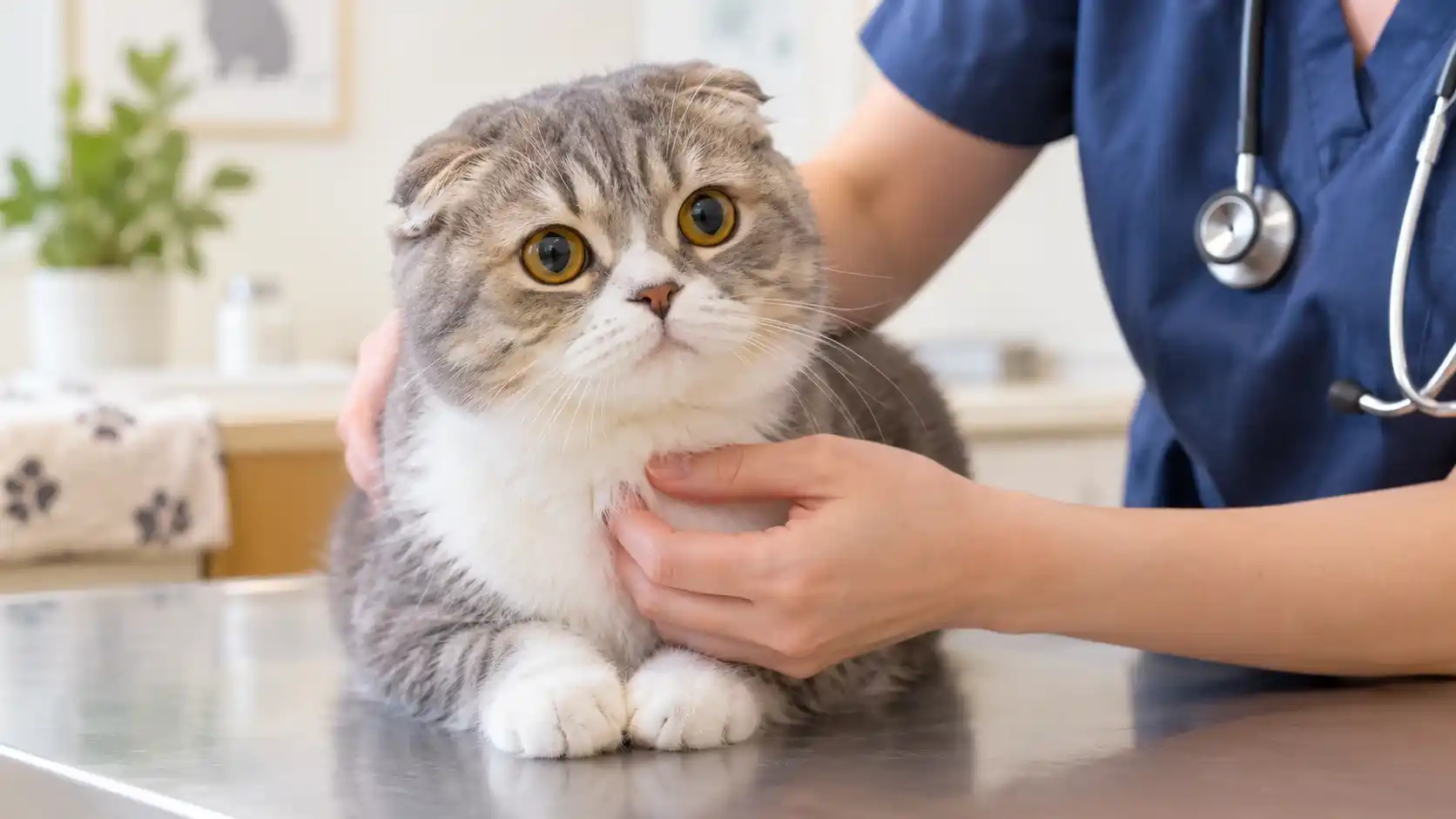
If you are thinking about bringing home a Scottish Fold, or you already share your home with one, you need to understand scottish fold health problems before anything else. Those sweet, folded ears that make this breed so recognizable come from a genetic mutation, and that same mutation affects far more than just the ears. It reaches into the cartilage and bones throughout the cat’s entire body. This is not a rare complication that only affects a few unlucky cats. It is a built in part of the breed, and every responsible owner should know what it means for daily life, vet visits, and long term care.
This guide walks you through the real health issues tied to Scottish Folds, in plain language, so you know exactly what to watch for and how to help your cat live as comfortably as possible.
Why Scottish Folds Have So Many Health Concerns
The folded ear look comes from a dominant gene mutation that changes how cartilage forms in the body. Cartilage is not just in the ears. It cushions joints, shapes the tail, and supports the skeleton. When that cartilage develops abnormally, problems show up in the legs, tail, and joints, not just the ears.
This condition is called osteochondrodysplasia, and it is the single biggest reason vets and welfare groups raise concerns about this breed. Every cat with folded ears carries this gene, which means every folded eared Scottish Fold has some level of this disorder, even if it looks mild at first.
Osteochondrodysplasia: The Core Scottish Fold Health Problem
Osteochondrodysplasia sounds like a complicated word, but the idea behind it is simple. It means the cartilage and bones do not grow the way they should. In Scottish Folds, this shows up as:
- Thickened, stiff, or shortened tails
- Swollen or enlarged wrist and ankle joints
- A stiff, awkward walking style often described as stilted
- Reluctance to jump onto furniture or climb stairs
- Visible lameness or limping, sometimes starting as early as four to six months old
Vets can actually spot signs of this condition on x-rays in kittens as young as seven weeks old. That is how deeply rooted this issue is in the breed. Cats with two copies of the folded ear gene, meaning both parents were Folds, tend to develop severe, painful versions of this disease early in life. Cats with just one copy, usually from breeding a Fold with a straight eared cat, tend to have milder symptoms, but they are still affected. There is no such thing as a Scottish Fold with folded ears and zero cartilage involvement.
The hard truth is that this condition gets worse with age. It cannot be reversed or cured. What owners can do is manage pain, slow down joint stress, and catch flare ups early.
Signs Your Fold May Be in Pain
Cats are experts at hiding pain, and Scottish Folds are no exception. Watch for these subtle clues:
- Sitting with legs tucked unusually or in a hunched position
- Avoiding jumps they used to make easily
- Less interest in play or grooming
- A tail that feels stiff or thick when you touch it
- Sudden irritability when picked up or touched near the joints
If you notice any of these signs, do not wait it out. A vet visit and pain management plan can make a real difference in comfort and quality of life.
Arthritis and Joint Disease
Because the cartilage never forms correctly, Scottish Folds are prone to early and progressive arthritis. This is not the kind of arthritis that shows up only in old age. It can begin developing while the cat is still young, and it slowly gets worse over the years.
Arthritis in Folds often affects the spine, hips, knees, and tail. Left unmanaged, it can lead to serious mobility problems and chronic discomfort. Weight control plays a huge role here. Extra pounds put more pressure on joints that are already compromised, so keeping your Fold at a healthy weight is one of the simplest ways to protect their comfort long term.
Vets typically manage this with a combination of pain relief medication, joint supplements like glucosamine and chondroitin, a soft and supportive living space, and ramps or steps so the cat does not have to jump onto high surfaces. None of this cures the disease, but it can slow the discomfort and help your cat stay active longer.
Ear Infections and Wax Buildup
The folded ear itself creates a small, enclosed pocket that traps wax, moisture, and debris. Straight eared cats have open canals that let air circulate and wax escape naturally. Folded ears do not have that advantage.
This means Scottish Folds are more likely to deal with:
- Frequent wax buildup
- Ear infections caused by bacteria or yeast
- Ear mites
- Reduced airflow that keeps the canal warm and damp, which is exactly what bacteria like
Signs of an ear problem include a strong odor, dark or crumbly discharge, redness, head shaking, or your cat pawing at their ears more than usual. Weekly ear checks are a good habit for any Fold owner. Gently lift the ear flap and look inside using a soft cotton pad and a vet approved cleaning solution. Never push anything deep into the canal, since that can cause injury rather than help.
Catching wax buildup early and cleaning regularly can prevent a lot of discomfort down the road. If you ever notice swelling, heat, or a foul smell, that is your cue to see the vet rather than trying to manage it at home.
Polycystic Kidney Disease
Polycystic kidney disease, often shortened to PKD, is another condition seen in Scottish Folds, largely because of their genetic ties to British Shorthair and Persian bloodlines. PKD causes fluid filled cysts to slowly form inside the kidneys. Over time, these cysts grow and crowd out healthy kidney tissue, which gradually reduces how well the kidneys function.
The tricky part about PKD is that it often stays quiet for years before symptoms appear. Watch for:
- Increased thirst and more frequent urination
- Unexplained weight loss
- Reduced appetite
- Vomiting
- General lethargy
There is a DNA test available that can identify cats carrying the gene responsible for PKD. If you are getting a Scottish Fold from a breeder, asking whether the parents have been tested for this is a smart and fair question. Routine bloodwork and kidney ultrasounds as your cat ages can also help catch this early, when management options are more effective.
Hypertrophic Cardiomyopathy
Hypertrophic cardiomyopathy, known as HCM, is actually the most common heart disease across all cat breeds, but Scottish Folds carry an elevated risk. HCM causes the walls of the heart muscle to thicken over time. As the muscle thickens, the heart has to work harder to pump blood efficiently, which can eventually lead to heart failure, blood clots, or in serious cases, sudden collapse.
What makes HCM especially concerning is that many cats show no obvious symptoms until the disease has already progressed. When symptoms do appear, they can include:
- Rapid or labored breathing
- Lethargy or reduced activity
- Loss of appetite
- Sudden weakness in the back legs, which can signal a blood clot
Annual heart screenings, especially echocardiograms performed by a veterinary cardiologist, are considered the gold standard for catching HCM early in cats prone to it. If you notice any sudden change in your cat’s energy or breathing, treat it as an emergency and get to a vet right away.
Why Responsible Breeding Matters
Two Scottish Folds should never be bred together. When both parents carry the folded ear gene, kittens are far more likely to develop a severe, crippling form of osteochondrodysplasia from a very young age. Responsible breeders pair a Fold with a straight eared cat, such as a Scottish Straight or British Shorthair, to reduce how severe the joint disease becomes in the kittens. This does not eliminate the condition. It only helps avoid the harshest version of it.
Because of these serious welfare concerns, several countries and regions have restricted or banned the breeding of Scottish Folds altogether, including parts of the UK and continental Europe. Major veterinary organizations have also spoken out against breeding this trait on purpose, since it deliberately passes along a painful, incurable condition. If you already love this breed’s look but want to avoid contributing to these welfare issues, a Scottish Straight or a British Shorthair gives you a very similar personality and appearance without the same guaranteed cartilage problems.
Caring for a Scottish Fold at Home
Living with a Scottish Fold does not have to mean a life full of medical stress. It means being proactive instead of reactive. A few habits go a long way:
- Schedule regular vet checkups, at least once a year, more often as your cat ages
- Keep an eye on your cat’s ability to jump, climb, and move comfortably
- Maintain a healthy weight through proper diet and portion control
- Provide low platforms, ramps, or steps so jumping is not required to reach favorite spots
- Clean ears weekly and watch for early signs of infection
- Ask your vet about joint supplements suited for your cat’s age and condition
- Stay alert for changes in thirst, appetite, breathing, or energy level
Small adjustments to the home environment can meaningfully reduce joint strain and keep your cat more comfortable day to day.
When to Call the Vet Right Away
Some symptoms are not something to monitor at home. Call your vet immediately if your cat shows:
- Sudden inability to walk or use the back legs
- Labored or rapid breathing
- Refusal to eat for more than 24 hours
- Extreme lethargy or collapse
- Crying out in pain when touched or moved
These can be signs of advanced joint disease, heart problems, or kidney issues, and early intervention often makes the biggest difference in outcome.
more info: How Long Do Cats Stay in Heat? Signs, Timeline, and What to Do
Final Thoughts
Scottish Folds are undeniably charming, and their calm, affectionate nature makes them wonderful companions. But their health cannot be separated from their appearance. The same gene that gives them those folded ears also affects cartilage and bone throughout their body, and that reality shapes everything from how they walk to how long they stay comfortable and mobile.
If you already have a Scottish Fold, focus on regular vet visits, weight management, ear care, and watching closely for subtle signs of pain. If you are considering adopting one, go in with open eyes, ask breeders the right questions, and understand that loving this breed means committing to attentive, lifelong care.
Being informed is the best gift you can give your cat. Knowing what scottish fold health problems to expect means you can catch issues early, manage discomfort effectively, and give your Fold the best possible quality of life.
Disclaimer: This article is for general informational purposes only and is not a substitute for professional veterinary advice, diagnosis, or treatment. Always consult a licensed veterinarian regarding any health concerns about your cat.