
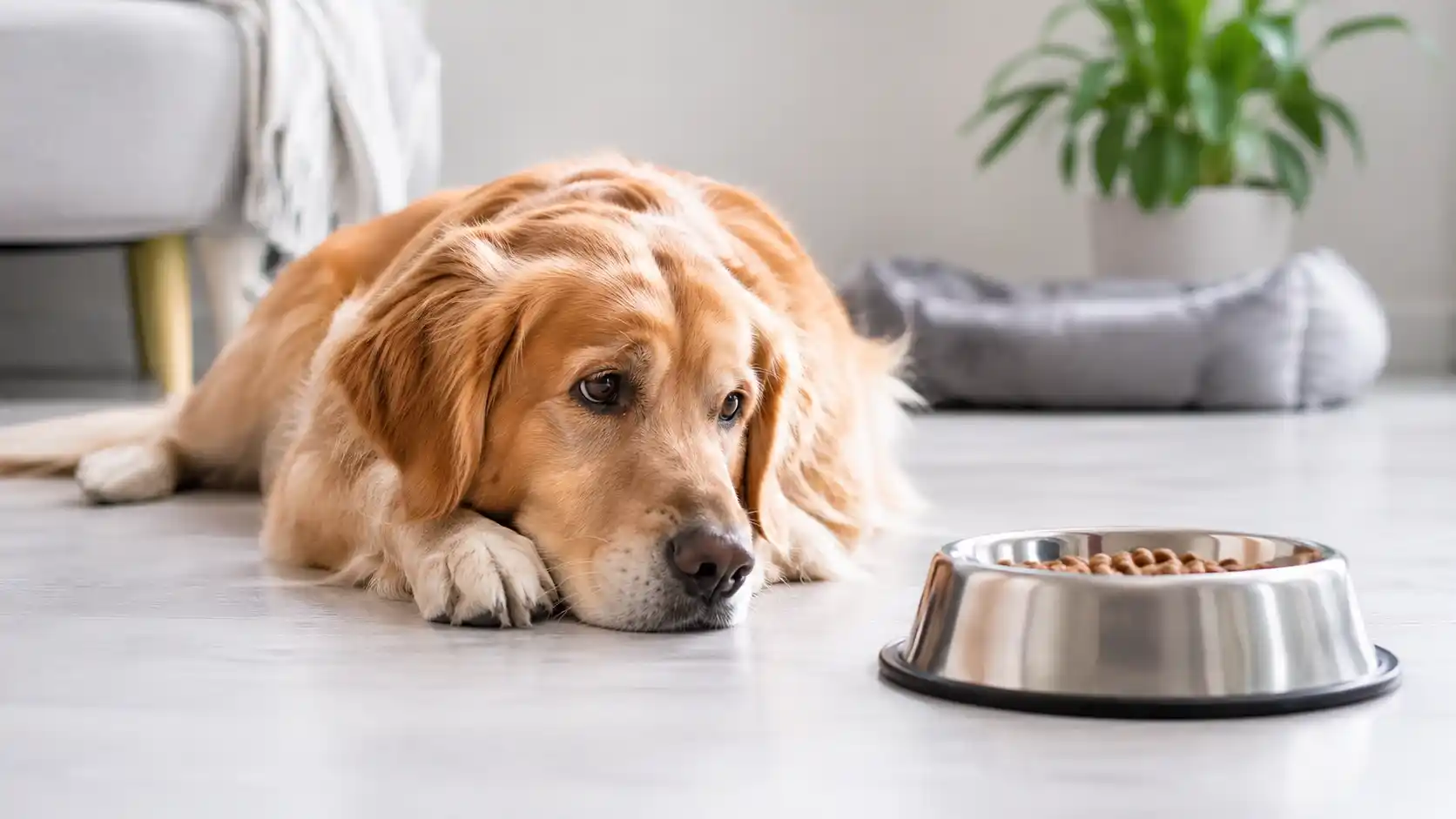
If you are staring at a full food bowl wondering why won’t my dog eat, that feeling of worry is completely normal. Dogs are usually enthusiastic eaters, so when your dog turns away from a meal she would normally inhale in seconds, it stands out immediately. Sometimes the reason is minor and passes within a day. Other times, a lost appetite is your dog’s way of telling you something more serious is going on. Here are the most common reasons dogs stop eating, along with a clear guide on when it is time to call the vet.
Understanding the Difference Between Not Wanting to Eat and Not Being Able To
Before getting into specific causes, it helps to understand that a dog who will not eat usually falls into one of two categories.
The first is a genuine loss of interest in food, sometimes called true anorexia. In this case, your dog has no desire to eat at all, even when offered something she normally loves.
The second is pseudo-anorexia, where your dog actually wants to eat but physically cannot, often because of pain, a dental problem, or trouble swallowing. She may approach the bowl, sniff around, and then walk away, or she may try to eat and drop the food repeatedly.
Knowing which situation you are dealing with can help you and your vet narrow down the cause faster, so pay attention to whether your dog seems interested in food but struggling, or simply uninterested altogether.
1. Minor Stomach Upset
One of the most common and least serious reasons dogs skip a meal is a mild upset stomach. This can happen after eating something outside her normal diet, eating too fast, or getting into something in the yard or on a walk that did not agree with her.
Signs that point to simple stomach upset include:
- Skipping one meal but otherwise acting normal
- Mild lip licking or occasional burping
- A single episode of vomiting or loose stool
- Returning to normal appetite within 24 hours
If your dog seems her usual energetic self otherwise, a short pause in eating is often nothing to panic over. Keep an eye on her and offer food again at the next mealtime.
2. Stress or a Change in Routine
Dogs are creatures of habit, and disruptions to their environment can genuinely affect their appetite. Moving to a new home, a new pet or family member joining the household, loud construction noise, thunderstorms, or even a change in your work schedule can all throw off a dog’s eating habits temporarily.
Some dogs also go off their food during boarding, travel, or after a stressful vet visit. This kind of appetite loss usually resolves once your dog settles back into her normal routine, though it is worth keeping her stress level in mind if the pattern repeats often.
3. Dental Pain or Mouth Injury
Dental problems are a surprisingly common and often overlooked reason dogs stop eating. A cracked tooth, gum infection, or advanced periodontal disease can make chewing painful enough that your dog avoids food entirely, even if she is hungry.
Watch for these signs alongside appetite loss:
- Dropping food after picking it up
- Chewing only on one side of the mouth
- Bad breath beyond the usual dog breath
- Pawing at the mouth or face
- Preferring soft food over kibble suddenly
If dental pain is the cause, your dog may still show interest in food but struggle to actually eat it, which is a classic sign of pseudo-anorexia.
4. Vaccination or Medication Side Effects
A temporary drop in appetite is a fairly normal reaction after vaccinations, especially in puppies or dogs receiving several shots at once. This usually resolves within a day or two on its own.
Certain medications, including some antibiotics and pain relievers, can also cause nausea or a reduced appetite as a side effect. If your dog recently started a new medication and stopped eating shortly after, mention this to your vet, since a dosage adjustment or a different medication may solve the problem.
5. Nausea From an Underlying Illness
Nausea is one of the body’s most common responses to illness, and it often shows up as appetite loss before any other symptom becomes obvious. Conditions ranging from mild infections to more serious issues like pancreatitis or kidney disease can all cause nausea strong enough to keep a dog from eating.
Additional signs that often accompany illness related appetite loss include:
- Lethargy or low energy
- Vomiting, especially repeated episodes
- Diarrhea or changes in stool
- Excessive drooling
- Hiding or seeking isolation
If appetite loss is paired with any of these symptoms, especially for more than a day, a vet visit is the right next step rather than waiting it out.
6. Gastrointestinal Blockage
This is one of the more urgent causes on this list. Dogs are notorious for swallowing things they should not, from socks and toys to bones and rocks. When an object becomes stuck somewhere in the digestive tract, it can cause a partial or complete blockage.
Signs of a possible blockage include:
- Sudden and complete refusal to eat
- Repeated vomiting, sometimes shortly after drinking water
- Visible abdominal pain or a hunched posture
- Straining without producing normal stool
- Lethargy that develops quickly
A blockage is a medical emergency. If you suspect your dog has swallowed something she should not have, especially if she stops eating and starts vomiting, contact your vet or an emergency animal hospital right away rather than waiting for symptoms to improve.
7. Organ Dysfunction or Systemic Illness
Chronic conditions affecting the kidneys, liver, or pancreas often show appetite loss as one of the earliest warning signs. These conditions are more common in older dogs, though they can appear at any age.
Because these illnesses tend to develop gradually, appetite loss connected to organ dysfunction is often paired with other subtle changes over time, such as increased thirst, weight loss, or changes in energy level. If your dog has stopped eating consistently for more than a day or two, especially alongside any of these signs, blood work at the vet can help identify the underlying cause early, when it is often easier to manage.
8. Simple Pickiness or Food Preference
Not every case of appetite loss points to something serious. Some dogs are genuinely picky, and a change in food brand, flavor, or texture can lead to a dog turning her nose up simply because she does not like what is in the bowl. This is more common in dogs who receive frequent table scraps or treats, since rich extras can make regular kibble seem far less appealing by comparison.
If your dog seems otherwise completely normal, energetic, and playful, but simply avoids her food, pickiness is a reasonable explanation. That said, it is still worth ruling out other causes with your vet if the pattern continues for more than a couple of days, just to be safe.
When to See a Vet
Most healthy adult dogs can safely go a couple of days without food as long as they are still drinking water, though this does not mean you should wait around and hope for improvement. As a general guide, contact your vet if your dog has not eaten in 24 to 48 hours, even if she seems otherwise fine.
Seek veterinary care immediately, rather than waiting, if your dog shows any of the following alongside appetite loss:
- Repeated vomiting or diarrhea
- Visible pain, bloating, or a distended abdomen
- Extreme lethargy or difficulty standing
- Known or suspected ingestion of a toxic substance or foreign object
- Diabetic dogs skipping any meal, since this can quickly become dangerous
Puppies deserve extra caution. A young puppy who goes without eating for even twelve hours can become seriously unwell quickly, so do not wait to seek help if a puppy refuses food, especially alongside low energy or vomiting. more info: Signs Your Dog Is in Pain but Hiding It
Final Thoughts
A dog who suddenly stops eating is sending you a signal, even if the reason ends up being something as simple as stress or a picky mood. Paying attention to how long the appetite loss lasts, along with any other symptoms that show up alongside it, will help you figure out whether this is something to monitor at home or something that needs prompt veterinary care. When in doubt, a quick call to your vet is always worth the peace of mind, especially since appetite loss can be an early clue to conditions that are much easier to treat when caught early.