If you have ever leaned in for a cuddle and caught a whiff of corn chips or popcorn coming from your dog’s feet, you are not imagining it. This is one of the most common questions pet owners search for, and there is a simple, science backed reason behind it. Your dog’s paws smell like corn chips or popcorn because of natural bacteria and yeast that live on the skin between the paw pads. In most cases, this is completely normal and nothing to worry about. But there are times when this smell can point to something that needs attention.
In this guide, we will break down exactly why this happens, when it is harmless, when it might signal a problem, and what you can do to keep your dog’s paws smelling fresher.
What Causes the Corn Chip or Popcorn Smell on Dog Paws
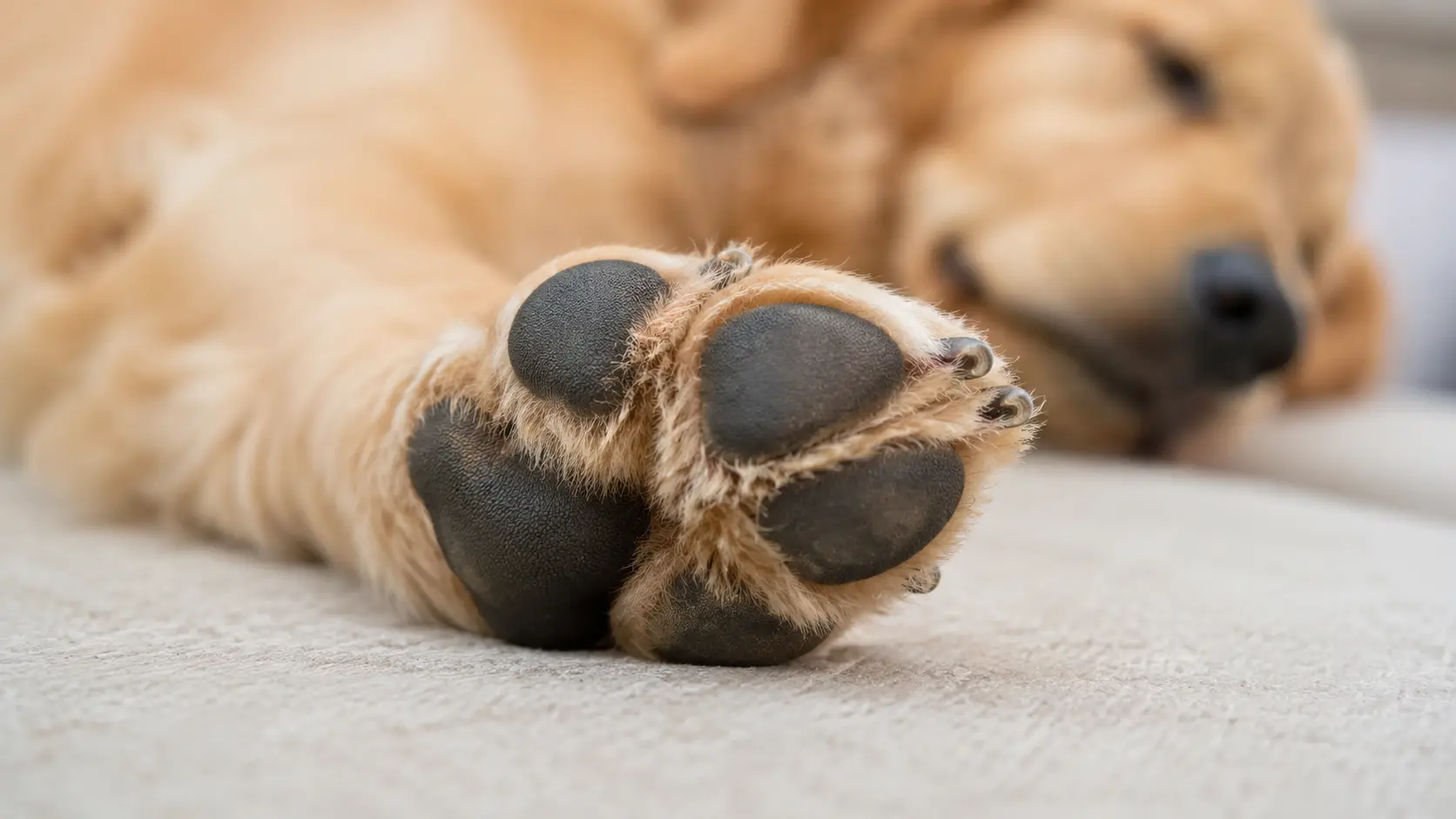
Dogs are not like humans when it comes to sweating. They only have sweat glands, called eccrine glands, in two places on their body: their nose and their paw pads. These glands release a small amount of fluid that keeps the skin on the paws moist and flexible.
That moisture, combined with warmth from walking, sitting, and lying around, creates the perfect environment for bacteria and yeast to grow. Two bacteria in particular are usually behind this smell.
- Proteus, a bacteria that naturally lives on the skin
- Pseudomonas, a bacteria that behaves a bit like yeast and thrives in moist conditions
When these two combine with sweat, saliva from licking, and the natural oils on your dog’s skin, they produce a smell that many people describe as corn chips, Fritos, or popcorn. Veterinarians and pet parents have nicknamed this “Frito feet,” and it is one of the most talked about quirks in dog ownership.
Sometimes a yeast called Malassezia joins the mix. This yeast naturally lives on your dog’s skin and can add a slightly sweet or musty note to the smell, which is part of why some dogs seem to smell more like popcorn than corn chips.
Why the Paws Are the Main Source of the Smell
Your dog’s paws go through a lot every single day. Between walking on hot pavement, running through grass, stepping in puddles, and resting on the couch, the paws rarely get a break. A few factors make the paws especially prone to this smell.
- Sweat glands are only located on the paw pads and nose, so this is where moisture builds up the most
- Fur between the toes can trap moisture and prevent the paws from drying out fully
- Dogs lick their paws often, which adds even more moisture to the area
- Paws pick up dirt, debris, and outdoor bacteria throughout the day
All of these elements combine to create a warm, damp environment that bacteria and yeast naturally thrive in. This is simply part of how a dog’s body works, and it is not a sign of poor hygiene on your part.
Is the Corn Chip Smell Normal or a Cause for Concern
For the vast majority of dogs, this smell is completely normal. It does not mean your dog is dirty, sick, or in pain. Bacteria and yeast are supposed to live on the skin. They are part of what is called the skin microbiome, and a healthy microbiome actually helps protect your dog’s skin from more harmful invaders.
That said, there is a difference between a normal Frito smell and a smell that signals a problem. Here is how to tell them apart.
Signs the smell is likely normal:
- The smell is mild and mostly noticeable when you get close to the paws
- Your dog’s paw pads look healthy, without redness or swelling
- Your dog is not licking or chewing the paws more than usual
- There is no discharge, flaking, or hair loss around the pads
Signs you should call your veterinarian:
- The smell becomes much stronger or starts to smell like moldy cheese instead of corn chips
- The paw pads look red, swollen, or irritated
- Your dog is licking, chewing, or biting at the paws frequently
- You notice hair loss, scabbing, or discharge between the toes
- Your dog seems uncomfortable or limps while walking
A sudden change in smell, especially paired with any of these signs, often points to a yeast or bacterial overgrowth, an allergy, or a skin infection. These conditions are treatable, but they usually need a vet’s help to clear up properly.
Common Reasons the Smell Gets Worse
A few situations tend to make the corn chip smell stronger than usual. Knowing these can help you figure out what might be going on with your own dog.
Allergies
Environmental allergies, food allergies, and seasonal allergies can all cause dogs to lick their paws more. This extra licking adds moisture, which allows bacteria and yeast to multiply faster than normal.
Excess moisture
Dogs that swim often, walk in wet grass, or live in humid climates tend to have damper paws throughout the day. Without proper drying, this moisture becomes a breeding ground for the bacteria responsible for the smell.
Long hair between the toes
Dogs with thick or long fur between their paw pads tend to trap more moisture and debris. This creates a warmer, damper pocket where bacteria and yeast can grow more freely.
Skin infections
If the natural balance of bacteria and yeast on the skin gets disrupted, an infection can develop. This often comes with a much stronger odor, along with redness or swelling.
Underlying health conditions
Conditions such as hypothyroidism or hormonal imbalances can sometimes affect skin health and oil production, which may intensify normal paw odors.
How to Keep Your Dog’s Paws Smelling Fresh
You do not need to eliminate the natural bacteria on your dog’s paws, since that is neither possible nor necessary. What you can do is manage moisture and hygiene so the smell stays mild and does not turn into a bigger issue.
- Wipe your dog’s paws with a damp cloth after walks, especially in wet or muddy weather
- Dry the paws thoroughly, paying close attention to the space between the toes
- Trim the fur between the paw pads regularly to reduce moisture buildup
- Give your dog’s paws an occasional soak in lukewarm water with a gentle, dog safe cleanser
- Check the paws weekly for any redness, swelling, or unusual discharge
- Keep your dog’s nails trimmed, since overgrown nails can change how the paw sits and traps moisture
These small habits go a long way. They will not remove the corn chip smell entirely, since that is a natural part of your dog’s skin biology, but they will help keep it mild and manageable.
More Info: French Bulldog Health Problems
When to Schedule a Vet Visit
If you have tried basic paw hygiene and the smell is still strong, or if your dog shows any signs of discomfort, it is worth booking a visit with your veterinarian. They can examine the paw pads closely, check for signs of infection, and recommend a treatment plan if one is needed. This might include a medicated wipe, a topical cream, or in some cases, an oral medication if the infection has taken hold.
Catching these issues early usually means a faster and easier recovery for your dog, so it is always better to check sooner rather than later if something feels off.
The corn chip or popcorn smell coming from your dog’s paws is one of those strange but harmless quirks of being a dog owner. It comes down to natural bacteria and yeast that live in the warm, moist environment of the paw pads, and for most dogs, it is nothing more than a funny smell to laugh about. Keep an eye on your dog’s paws, stay consistent with basic hygiene, and reach out to your vet if the smell changes suddenly or comes with signs of irritation. Your dog’s feet may never smell like roses, but with a little care, they can stay healthy and comfortable every step of the way.
If you found this guide helpful, feel free to explore more pet care tips on petslifesecrets.com.