
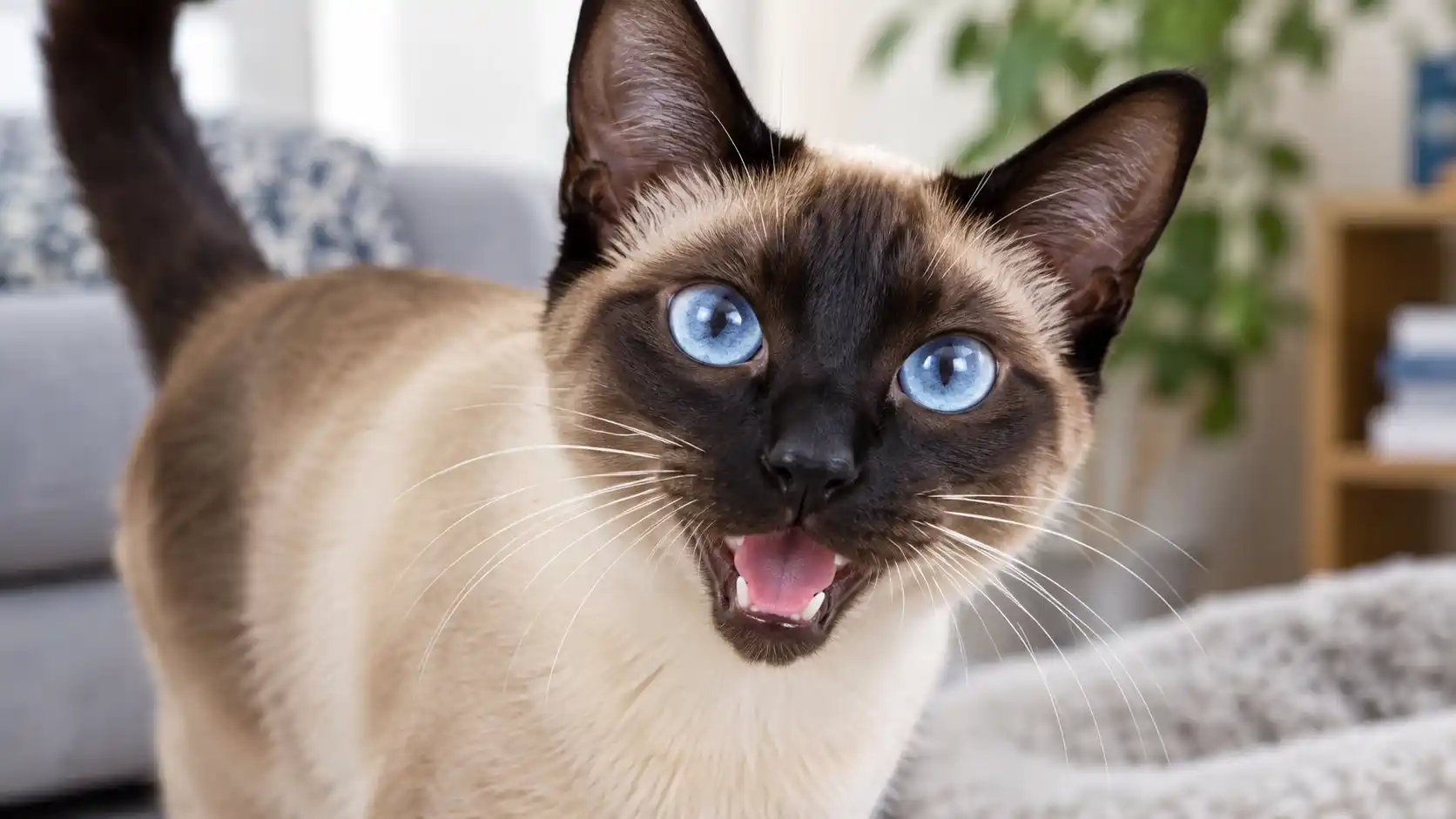
If you have ever lived with a Siamese cat, you already know they are not the quiet type. Siamese cat personality is one of the most talked about topics among cat lovers, and for good reason. These cats are loud, loyal, smart, and deeply attached to their people in a way that surprises a lot of first time owners. They do not act like the typical “independent cat” people expect. They act more like a close companion who wants to be part of everything you do.
If you are thinking about bringing one home, or you already share your house with one and want to understand them better, this guide breaks down what makes a Siamese cat tick.
A Quick Look at Where Siamese Cats Come From
Siamese cats originally came from Thailand, which used to be called Siam. They were kept in royal households and temples long before they became popular pets in the West. This history matters a little, because it explains why these cats often carry themselves with so much confidence. They were bred and raised around people, not left to fend for themselves outdoors, and that closeness to humans is still baked into their personality today.
When they arrived in Europe and the United States in the late 1800s, people were struck by their striking blue eyes, sleek body, and pointed coat pattern. But it did not take long for owners to notice something else. These cats had opinions, and they were not shy about sharing them.
The Core Siamese Cat Personality Traits
Every Siamese cat has its own quirks, but most of them share a set of traits that make the breed easy to recognize once you know what to look for.
1. They Are Extremely Vocal
This is probably the first thing anyone mentions about Siamese cat personality. These cats talk. A lot. Their voice is deeper and more raspy than a typical meow, and some owners compare it to a small child asking for something.
A Siamese will tell you when it is hungry, when it wants attention, when you left the room, and sometimes just because it feels like talking. This is not bad behavior. It is simply how the breed communicates. If you want a cat that stays silent in the background, this is not the right fit. If you enjoy a chatty companion who reacts to your voice, you will probably love it.
2. They Bond Closely With Their People
Siamese cats are often described as dog like, and this trait is the main reason why. They do not just tolerate their owners, they actively seek them out. Many Siamese cats will follow you from room to room, sit near you while you work, and wait by the door when you come home.
This strong attachment means they can also struggle with being left alone for long stretches. If your schedule keeps you away from home most of the day, it is worth thinking about how your Siamese will handle that time alone, or whether a second cat might help keep it company.
3. They Are Highly Intelligent
Siamese cats rank among the smartest cat breeds, and it shows in daily life. They learn routines quickly, figure out how to open cabinets or doors, and pick up on patterns in your behavior. Many owners teach their Siamese simple tricks, and some cats even learn to walk on a leash or fetch small toys.
This intelligence is a double edged sword. A bored Siamese cat can get into trouble fast. They may knock things over, dig through bags, or find creative ways to get your attention if they feel understimulated.
4. They Are Playful and Energetic
Compared to a lot of other breeds, Siamese cats stay playful well into adulthood. They enjoy interactive toys, chasing games, and puzzle feeders that make them work for treats. Some Siamese cats never fully outgrow their kitten energy.
This energy is part of what makes them such entertaining pets, but it also means they need regular playtime. A few short sessions with a wand toy or a laser pointer each day can go a long way toward keeping a Siamese cat calm and content.
5. They Can Be Stubborn
Because Siamese cats are so smart, they also tend to have strong opinions about how things should go. If a Siamese decides it wants to sit on your keyboard while you work, it will likely keep trying even after being moved a few times.
This stubborn streak is not aggression. It is closer to determination. Positive reinforcement works well with this breed, since they respond better to rewards than to being told no repeatedly.
6. They Show Strong Emotional Attachment
Siamese cats form deep bonds, and they often pick a favorite person in the household. That does not mean they ignore everyone else, but you may notice your Siamese gravitating toward one family member more than others.
They also tend to pick up on mood and routine changes. Some owners notice their Siamese acting clingy during stressful periods or reacting to changes like a new pet, a move, or a shift in daily schedule. Giving them extra attention during these times usually helps them settle.
7. They Are Curious and Alert
A Siamese cat notices everything. New object in the room, a door left open a crack, an unfamiliar sound outside. They want to investigate it all. This curiosity makes them fun to watch, but it also means you need to cat proof your home a bit more carefully than you might with a less inquisitive breed.
Are Siamese Cats Good With Kids and Other Pets
Siamese cats generally do well in families. Their social nature means they usually enjoy the extra activity that comes with children and other pets in the house. That said, their high energy can sometimes be a bit much for very young kids, so supervised playtime is a good idea until everyone learns each other’s boundaries.
With other cats or dogs, Siamese cats often do best when introduced properly and given time to adjust. Many actually prefer having a companion animal around, since it gives them something to interact with when their favorite human is busy.
What a Siamese Cat Needs to Thrive
Understanding Siamese cat personality is only half the picture. Knowing how to support that personality makes a real difference in how happy your cat will be.
- Plenty of daily interaction, since these cats do not do well when ignored for long periods
- Mental stimulation through puzzle toys, training, or climbing structures
- A companion, whether that is a person who is home often or another pet
- Consistent routines, since Siamese cats notice and react to changes
- Regular playtime to burn off their naturally high energy
Skipping these needs does not usually make a Siamese cat quiet or low maintenance. It tends to do the opposite, leading to more vocalizing, more mischief, or signs of stress like over grooming.
Common Misunderstandings About Siamese Cat Personality
Some people assume a vocal, demanding cat must be difficult or unfriendly. In reality, most of the behaviors people find challenging come from a place of wanting connection. A Siamese cat that meows constantly is usually not being difficult for the sake of it. It is trying to tell you something, whether that is hunger, boredom, or a simple desire for company.
Another common misunderstanding is that their intelligence makes them hard to train. The opposite is often true. Siamese cats tend to respond very well to training because they are motivated by attention and rewards. Owners who put in a little consistent effort often end up with a cat that knows several tricks and follows basic commands.
more info: British Shorthair Care Tips Every Owner Should Know
Is a Siamese Cat Right for You
If you want a cat that will greet you at the door, talk back when you speak to it, and curl up next to you every evening, a Siamese cat personality fits that lifestyle perfectly. They thrive with people who enjoy an interactive pet and have the time to give them attention.
On the other hand, if you are away from home often and prefer a more independent, quiet cat, you may want to consider a different breed, or plan to give your Siamese a companion to keep it company while you are out.
Siamese cats reward the right kind of owner with years of loyalty, entertainment, and genuine companionship. Once you understand what drives their personality, living with one becomes a lot less puzzling and a lot more rewarding.
Understanding a Siamese cat personality really comes down to recognizing one simple truth. These cats want to be involved in your life, not just live alongside it. Give them attention, structure, and a bit of patience for their vocal and stubborn side, and you will end up with one of the most devoted companions in the cat world.