
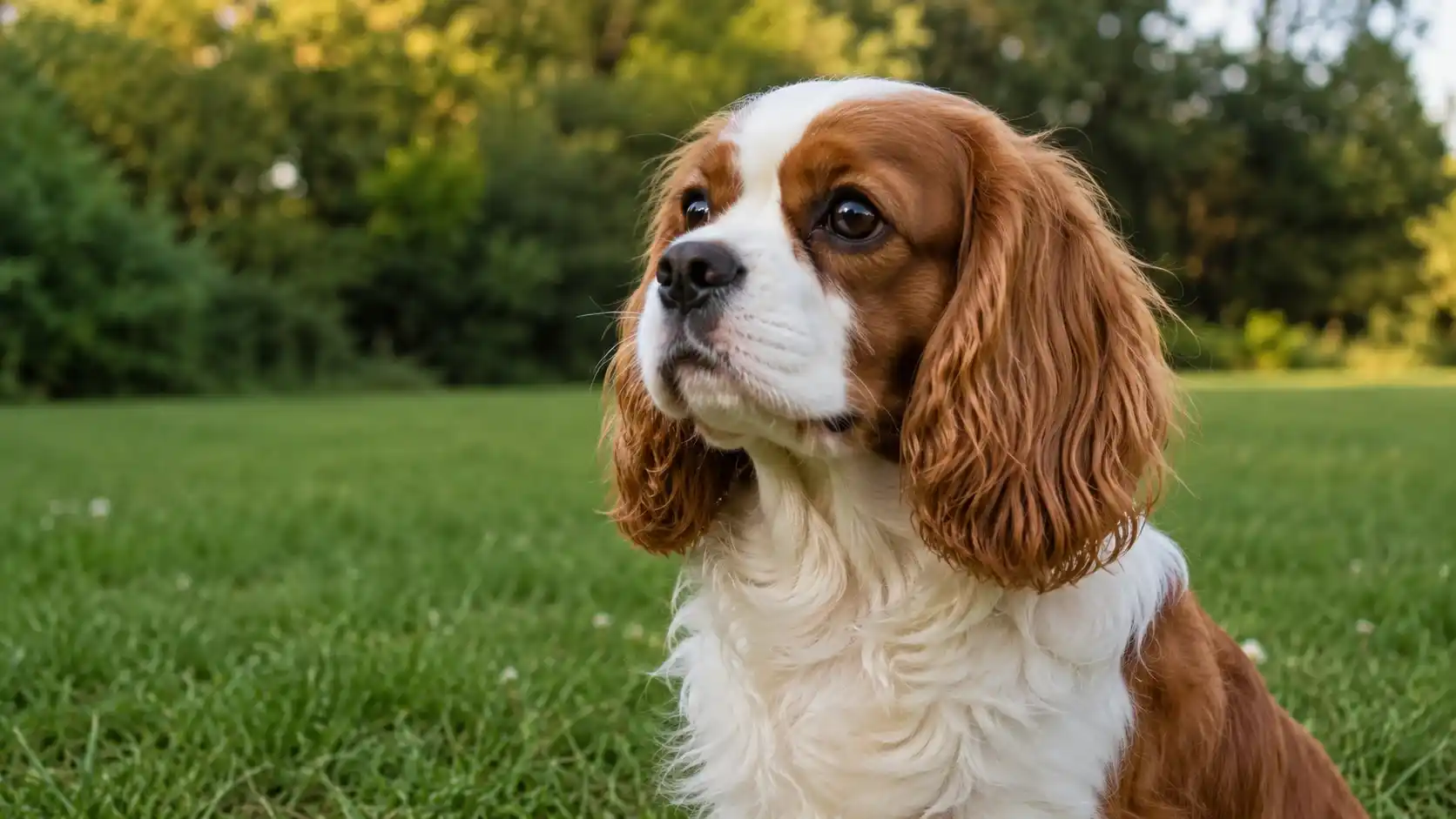
If you share your home with a Cavalier King Charles Spaniel, you already know why people fall for this breed so fast. They are affectionate, gentle, and always seem to want to be near you. But good cavalier king charles spaniel care means more than cuddles and walks. This breed has a few specific health needs that every owner should understand, especially when it comes to the heart, ears, and eyes.
This guide covers what actually matters. No fluff, just the health issues, daily care habits, and practical tips that will help your cavalier live a longer, more comfortable life.
Why Cavalier King Charles Spaniel Care Requires Extra Attention
Cavaliers are wonderful companions, but they were bred with physical traits that can lead to health complications. Their short muzzle, small heart size relative to their body, and their skull shape all play a role in the conditions this breed tends to develop.
This does not mean every cavalier will struggle with health problems. Many live full, active lives. But knowing what to watch for gives you a real advantage. Catching issues early almost always leads to better outcomes and lower vet bills down the road.
Heart Health Comes First
If there is one thing every cavalier owner needs to understand, it is heart health. Mitral valve disease, often shortened to MVD, is the single biggest health concern in this breed.
Here is why it matters so much. In most dog breeds, MVD shows up in old age. In cavaliers, it can start much earlier, sometimes before the age of five. Studies have shown that by age five, over half of all cavaliers already have a heart murmur linked to this condition. By the time they reach ten years old, nearly all of them show signs of it.
MVD happens when the valve between the heart’s upper and lower left chambers weakens over time. Blood starts leaking backward instead of flowing the right way, and the heart has to work harder to keep up. Left unmanaged, this can eventually lead to congestive heart failure.
Signs to Watch For
Early on, MVD often has no obvious symptoms. That is exactly why regular vet checkups matter, since a vet can detect a heart murmur with a stethoscope long before you would notice anything at home.
As the condition progresses, watch for these signs:
- Faster breathing than normal, especially while resting or sleeping
- Tiring quickly during walks or play
- Restlessness at night
- Reduced appetite
- Episodes of weakness in the back legs
If your cavalier is breathing more than 30 times a minute while sound asleep, that is worth mentioning to your vet right away. This is one of the more reliable early warning signs of fluid building up around the lungs.
What You Can Do
Annual heart checkups become especially important once your cavalier turns three or four. A vet cardiologist can catch changes in heart size or valve function long before symptoms appear. If MVD is diagnosed, dogs can often be managed for years with medication and monitoring, so an early diagnosis genuinely buys time.
Keeping your dog at a healthy weight also takes pressure off the heart. Extra body weight forces the heart to work harder than it needs to, which can speed up the progression of any existing valve issues.
Syringomyelia: A Condition Unique to This Breed
Syringomyelia, often called SM, is a neurological condition that shows up more often in cavaliers than almost any other breed. It happens because the skull shape in some cavaliers does not leave quite enough room for the brain, which affects how fluid moves around the spinal cord. This creates fluid-filled pockets that press on the spinal cord and cause pain.
The signs can be subtle at first and easy to mistake for normal dog behavior. Watch for:
- Scratching at the neck or shoulder area without actually touching the skin, often called air scratching
- Yelping when picked up or when changing position suddenly
- Sensitivity around the neck and head
- Reluctance to jump or climb stairs
If you notice repeated scratching near the neck that does not seem tied to fleas or skin irritation, bring it up with your vet. SM can be managed with medication in many cases, and severe cases sometimes require surgery. Catching it early makes a real difference in your dog’s comfort.
Ear Care Matters More Than You Think
Those long, floppy ears are part of what makes cavaliers so recognizable, but they also trap moisture and reduce airflow. This makes ear infections one of the most common health complaints in the breed.
A healthy cavalier ear should not smell bad or have visible discharge. If your dog is shaking its head often, scratching at its ears, or tilting its head to one side, an infection could already be underway.
Simple habits go a long way here:
- Check ears weekly for redness, odor, or wax buildup
- Dry ears thoroughly after baths or swimming
- Use a vet-approved ear cleaner rather than cotton swabs, which can push debris deeper
- Trim the hair around the ear opening if your groomer recommends it
Left untreated, ear infections can become chronic and much harder to clear up. A few minutes of weekly checking can prevent a lot of discomfort later.
Eye Health and Common Issues
Cavaliers have large, expressive eyes, which unfortunately also makes them more prone to certain eye conditions. Conjunctivitis, dry eye, and corneal issues show up fairly often in this breed.
Keep an eye out for:
- Excessive tearing or discharge
- Redness around the eye
- Squinting or pawing at the eye
- Cloudiness in the eye itself
Because their eyes sit somewhat prominently, cavaliers are also more prone to minor scratches and irritation from dust, grass, or rough play. If any eye issue does not clear up within a day or two, it is worth a vet visit rather than waiting it out.
Feeding Your Cavalier the Right Way
Cavaliers love food, and that enthusiasm can quickly turn into weight gain if you are not careful. Since obesity puts extra strain on the heart, feeding habits are directly tied to how well you manage the breed’s biggest health risk.
A few practical guidelines:
- Stick to measured portions rather than free feeding
- Choose a high quality food appropriate for their age and activity level
- Limit treats to no more than ten percent of daily calories
- Avoid feeding table scraps regularly, since many human foods are too rich or fatty for their smaller frame
If you are ever unsure how much to feed, your vet can calculate a target weight and help you build a feeding plan around it. Small breed dogs gain weight faster than people expect, so it helps to weigh your cavalier every few months rather than guessing.
Exercise Needs
Cavaliers are moderately active dogs. They enjoy walks and play but do not need intense exercise the way working breeds do. Aim for around 30 to 60 minutes of activity per day, split across a couple of shorter walks rather than one long session.
Because of their heart sensitivity, avoid pushing your cavalier hard in extreme heat or high humidity. Watch for excessive panting, slowing down suddenly, or wanting to lie down mid walk. These can be signs your dog needs a break, especially if MVD has already been diagnosed.
Grooming and Coat Care
Their silky coat is beautiful but does require regular upkeep. Brushing two to three times a week helps prevent mats, especially behind the ears and around the legs where the fur is longest.
Routine grooming also gives you a chance to spot skin issues, lumps, or parasites early. Since you are already handling your dog for brushing, use that time to check ears and eyes too. It becomes a simple, combined health check rather than an extra task.
Building a Health Routine That Actually Works
Good cavalier king charles spaniel care does not need to be complicated. It comes down to consistency. Here is a simple routine worth following:
- Weekly ear and eye checks
- Brushing two to three times a week
- Annual vet visits, moving to twice yearly after age five
- Heart checkups starting around age three or four
- Weight checks every couple of months
- Watching for any of the warning signs mentioned above
None of this takes much time once it becomes a habit. The payoff is a dog that stays comfortable and active for as long as possible.
Final Thoughts
Cavalier King Charles Spaniels are loving, easygoing dogs that make wonderful companions, but their health does need a bit more attention than some other breeds. Heart disease, syringomyelia, ear infections, and eye issues are all things this breed is prone to, yet most of them are very manageable when caught early.
The best thing you can do is stay observant. Small changes in breathing, behavior, or comfort often say more than they seem to. Combine that awareness with regular vet visits, a healthy diet, and simple grooming habits, and you give your cavalier the best possible chance at a long, happy life.