
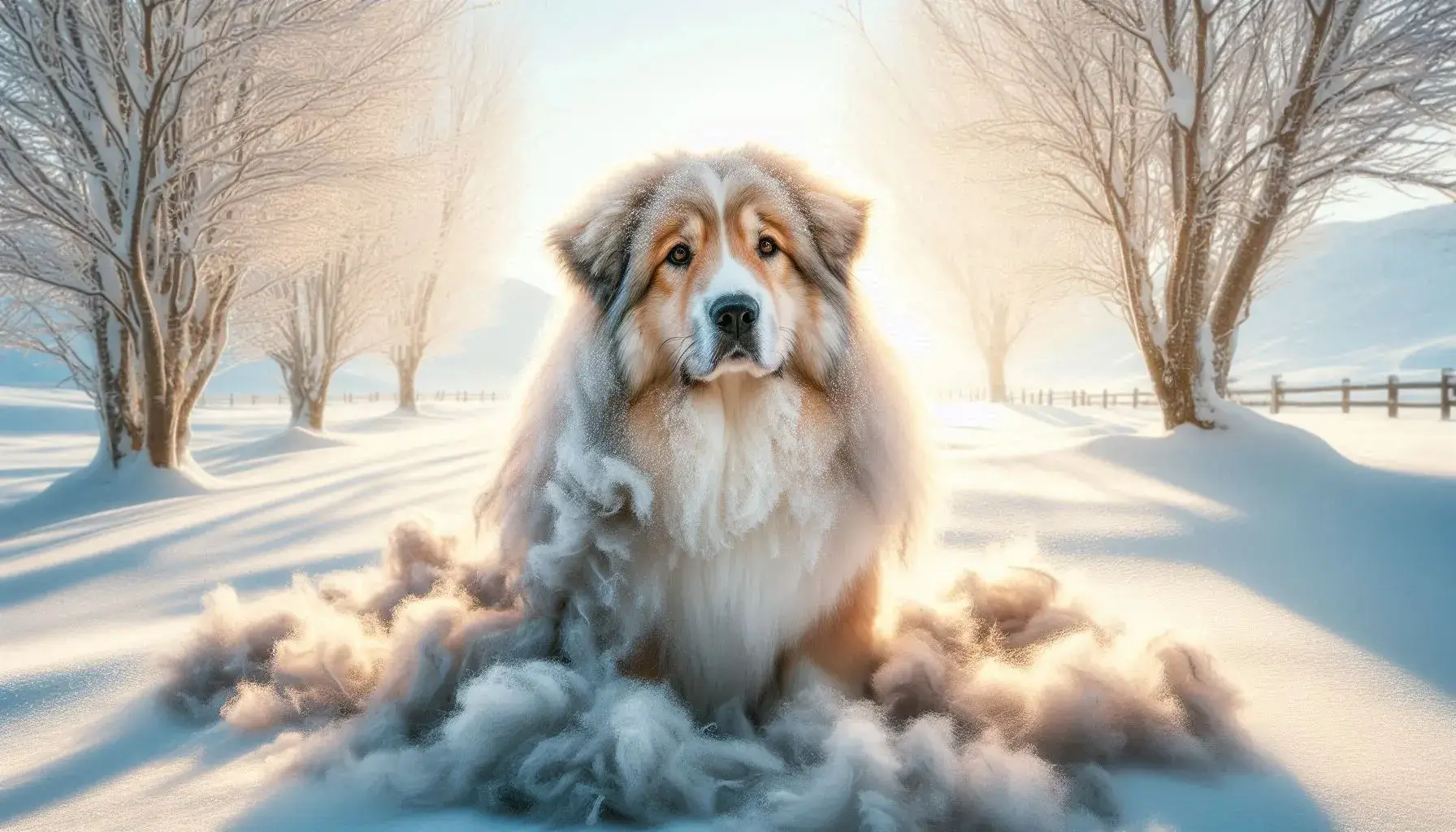
The winter comes, the dogs do not spend so much time outside, and you are picking up fur more frequently than ever before. You might ask yourself why a dog sheds in the so-called coat season. Some of the owners of pets are confused, yet the causes are often natural.
Without the empty platitudes, shall we dissect it in a manner that is practical?
The Question of Why Dogs Shed in Winter More Than You Expect.
The loss of weight is a matter of biology, surroundings and the habits of the owner. It occurs with any breed, whether it is Huskies, Labs, and Chihuahuas. Other dogs shed such that it is almost physics. There are five triggers in winter shedding. These are the most significant ones.
Their Coat Change Alters Under Indoor Heating.
Majority of the owners ignore the fact that strong heating can occur. A dog that runs out of cool air into warm, dry air in a house one day does not think that it is December, but rather the change of season is on again. That response accomplishes three functions: It accelerates hair replacement, desiccates the skin and grows loose fur, and decreases the necessity to have a bulky outer coat. The house is summer 2.0 in the eyes of a dog.
Tip:
Place a humidifier in the area that your dog likes. It prevents drying of the skin and can in many cases slow down shedding in a couple of weeks.
Your Dog sheds their Fall Coat.
A transitional coat is grown in autumn by many dogs. During winter, no longer needed that fluff. The symptoms are: soft and thick undercoat, more shedding around the neck and thighs, a few weeks peak and level off. Dogs that have two coats, Huskies, German Shepherds, Malamutes, Golden Retrievers shed the most in this transition. It’s natural, it is only a matter of timing.
The skin in winter becomes fissured and scaly.
The dry air in winter just influences dogs like it does on us. Itchy or scaly skin becomes loosened and scaly, causing shedding. When petting them, look for dandruff, scratching, dull coat and small puffs of fur. Low temperatures and heaters result in dry skin. It is environmental drought as many people confuse this to allergies or parasites.
Helpful fix:
Take omega-3 oil 1-2 times in meals each week in a tablespoon. It makes the skin hydrated and put shedding at bay.
Stress and Winter Changes of Routine.
Winter can alter the routine of the house- new schedules, holidays, guests, traveling or changes in weather are some of the factors that can take a toll on the dog. Stress hormones may cause shedding, even drastically. Common causes of winter stress are loud party holidays, travelling/boarding, lack of outdoor activities and loneliness. My experience with numerous dogs is that they lose most of their fur after a lengthy car ride or family party. In case your dog sheds in spurts, it might be due to stress.
Nutritional Gaps Can Be Signaled by Winter Shedding.
Certain dog food does not maintain a healthy coat even when it is stated on the label. During winter, nutritional deficiencies are increased due to the fact that the skin is stressed due to dry air. Note thinning and sparse hair, coarse coat, slow growth or shedding which does not relieve. Make sure the diet contains good protein as well as necessary fatty acids. As the diet is better, the coat tends to become better.
When Winter Shedding Become Supernormal.
In case you notice bald spots, open sores, bad smell, or constant scratching, it is not typical seasonal skin shedding. That is an indication that your dog requires a check-up at the veterinary. In case shedding is uniform and steady, the abovementioned considerations are likely.
1st Winter Shedding: Practical Ideas to keep it Under Control.
You need not allow your house to be fur-lined. Even some clever habits will do, Brush more (even shortheaded dogs will do it). Apply a moisturizing shampoo and do not dry out. Add omega -3 supplements to maintain coat condition. Vacuum every day in times of peak shedding to rid of allergens. Provide your dog with increased exercise to reduce stress and promote the growth of the coat. Such minor changes do matter.
FAQ: Winter Dog Shedding
Why does my dog shed in winter, not get more hair?
Even when it is cold outside, shedding can be induced by indoor heat, dry air and natural cycles of the coat.
Are there breeds that shed more during the winter?
Dogs that have a double coat normally shed a lot as their undercoat adapts to the inside temperature.
What is the duration of the winter shedding?
Depending on the type of coat and the environment at home, it may take up to two weeks up to two months.
Should I switch the food of my dog in the shedding season?
It is not necessary to abandon food altogether, but fatty acids can usually slow down the weight loss and enhance skin condition.
Is it allergies that are shedding off during winter?
Sometimes. Allergies may be indicated by redness, itching or exacerbated scaly skin.
Click Here: Pets do such funny things
Last Reflections on Dog Shedding in Winter.
It is not as bizarre as it appears, dog shedding in winter. In the majority of cases, it is merely a change of lifestyle to indoor living, coats change depending on seasons and winter the lack of moisture. Special attention to grooming, nutrition, and the humidity in the home may help a lot. When something does not feel right, listen to you and get your dog examined- pet parent early notices problems. And in case you have experienced some strange shedding this winter, comment on that. Want some more pet tips that are made in the real world? Read on. You couch, you vacuum, will be glad.