You’re not the only one who has stood in a pet food aisle and looked at labels, wondering what really matters. No grains, lots of protein, few ingredients, and raw-inspired. It’s a lot. You can usually find words like “prebiotics” and “probiotics” in smaller print. A lot of pet owners don’t even look at them. That was a big mistake.
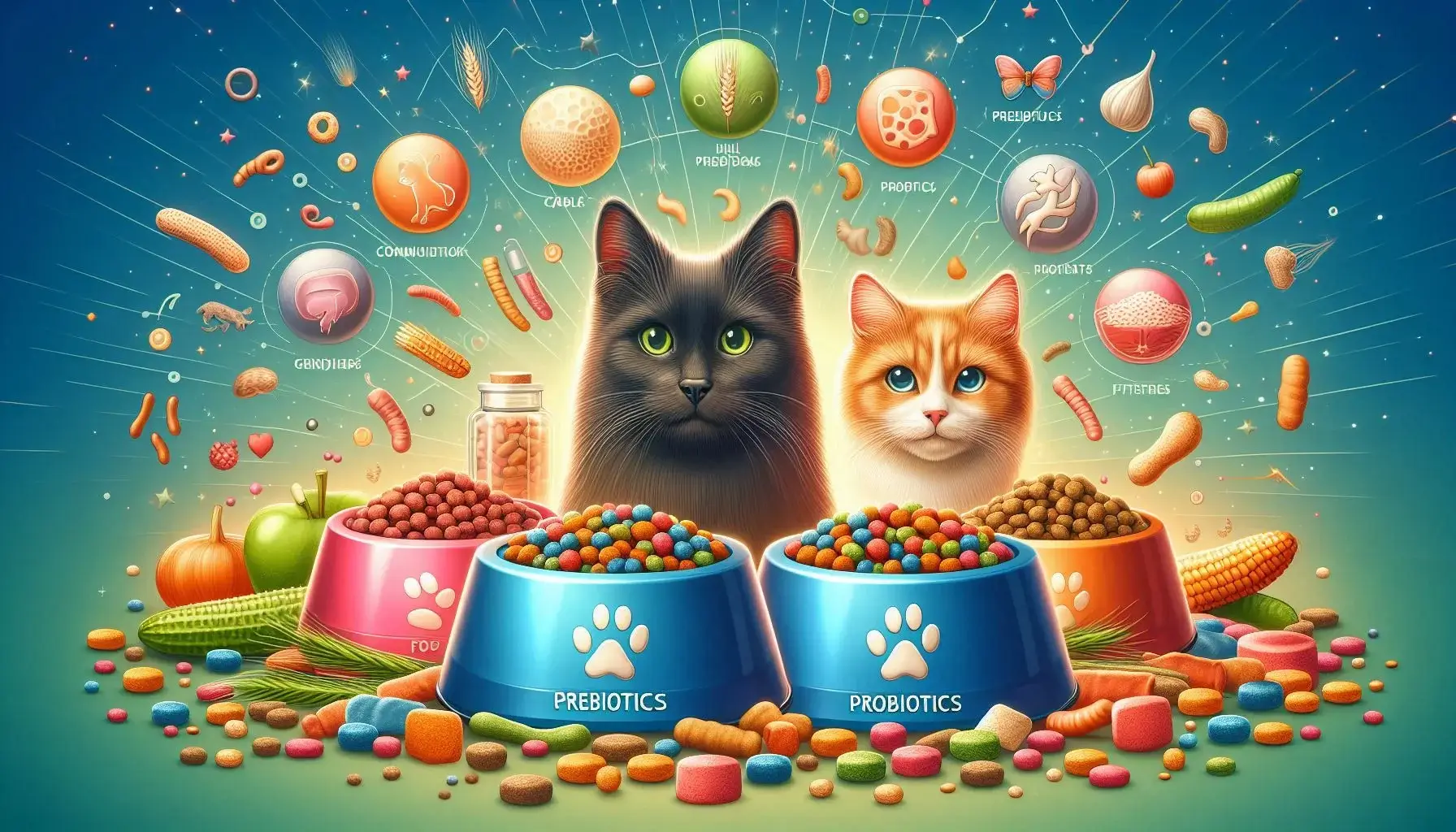
Prebiotics and probiotics are important in dog and cat food, and that’s not just a marketing gimmick. It’s one of the most important but often ignored parts of pet nutrition that can make or break your dog’s or cat’s health. Gut health is the most important thing for everything from digestion to immunity to skin problems.
I have seen some pets do well and others not do so well, depending on whether their food helped their gut ecosystem stay healthy. Once you know why this is important, you’ll never look at a pet food label the same way again.
Table of content:
- What prebiotics and probiotics really are
- Why it’s so important for pets to have healthy guts
- Why prebiotics and probiotics are important in dog and cat food
- How dogs and cats benefit in different ways
- Common myths pet parents believe
- How to pick the right food
- FAQs
- Last thoughts for pet owners
What Are Probiotics and Prebiotics, Anyway?
Let’s clear up confusion first, because most people mix these up.
Probiotics: The Living Helpers
Probiotics are live bacteria that are good for you. They live in your pet’s gut and help with:
Taking apart food
Taking in nutrients
Helping the immune system work
Keeping bad bacteria from growing
Probiotics are like the good tenants in your pet’s gut. Everything goes better when they’re happy and full.
Prebiotics: The Fuel
Prebiotics are fibers that don’t break down in the stomach and feed good bacteria. Your dog or cat doesn’t eat them directly. Instead, gut bacteria break them down and grow.
Some common prebiotic ingredients are:
Root of chicory
Inulin
Beet pulp
Fructooligosaccharides (FOS)
Mannanoligosaccharides (MOS)
No fuel, no work. Prebiotics are just as important as probiotics for this reason.
Why Gut Health Is the Foundation of Pet Health
Most pet owners think that the quality of their pet’s poop is all that matters when it comes to digestion. Everything must be fine if the poop looks fine, right?
Not always.
Roughly 70 percent of a dog’s immune system lives in the gut. Cats aren’t too far behind. A disrupted gut microbiome can lead to:
Having diarrhoea or constipation a lot
Food allergies
Itchy skin and a dull coat
Breath that smells bad
Weak immune system
Changes in mood and behaviour
You might see your dog scratching all the time or your cat throwing up hairballs more often than normal. A lot of the time, the problem isn’t the source of the protein. It’s the environment in the gut.
This is when you can’t ignore how important prebiotics and probiotics are in dog and cat food.
Why Prebiotics and Probiotics Are Important for Dog and Cat Food for Digestion
Let’s start with the most obvious benefit. Digestion.
Pets don’t get the nutrients they need when they eat highly processed food without gut support. You might be giving your pet high-quality food, but they’re not getting the full benefit.
With the right prebiotics and probiotics:
Food breaks down better
Nutrients are absorbed better
The stool gets harder and more steady.
Less gas and bloating
In my experience, a lot of “sensitive stomach” problems go away just by switching to a food that has the right amount of probiotics and fermentable fibers.
Why Prebiotics and Probiotics Are Important for Dog and Cat Food for Immunity
A lot of people are surprised by this part.
The gut of your pet is where the immune system learns how to work. Bacteria that are good for you teach immune cells how to act. Not going too far. Not overreacting.
When gut balance is off:
Allergies get worse
More often than not, infections happen.
Recovery from illness slows
Pets that eat food high in prebiotics and probiotics tend to:
- Get sick less often
- Get better faster
- Have fewer allergy symptoms
- It’s not magic. Biology is doing what it should.
Why Prebiotics and Probiotics Are Important for Dog and Cat Food for Skin and Coat Health
Have you ever noticed that skin problems and digestive problems often happen at the same time?
That’s not a coincidence.
Inflammation can happen all over the body if your gut health isn’t good. It often starts on the skin. You will see:
- Too much shedding
- Dandruff
- Patches that are red and itchy
- Places that are hot
Inflammation goes down once the gut microbiome settles down. The coats get shinier. The skin calms down. I saw dogs who scratched every day finally relax after their diet changed.
Dogs and cats have different guts, but they both need the same things.
Dogs can eat a wider range of foods. Cats are obligate carnivores. Some people think that because of this, cats don’t need gut support.
That assumption leads to problems.
Canines
Dogs get benefits from:
A broader range of probiotic strains
Moderate amounts of fibre that can be fermented
Help during stress, travel, or when taking antibiotics
Cats
What cats need:
- Less fibre
- Probiotic strains that are right for the species
- Formulas that are easy to digest
Putting fibre in cat food isn’t the goal. It is help that is specific to them and takes their biology into account. Done right, it reduces hairballs, vomiting, and stool issues significantly.
Myths About Prebiotics and Probiotics in Pet Food That Are Common
“My pet eats raw, so they don’t need probiotics.”
Raw diets can still lack consistent beneficial bacteria, especially after freezing or handling.
“Probiotics die in kibble”
Yes, some do. That’s why it matters to have good quality. Look for an application that uses microencapsulation or post-processing.
“All probiotics are the same”
Not even close. It matters what strain you use. You can’t use Enterococcus faecium instead of Lactobacillus acidophilus.
Because the labels don’t make it clear, most people get this wrong.
How to Choose the Right Dog or Cat Food
- This is how I look at pet food labels.
- What to Look For
- Strains of probiotics with names
- Guaranteed CFU count at the end of the shelf life
- Prebiotic fibers are clearly listed.
- Sourcing that is clear
- What to Stay Away From
- Vague terms like “digestive support blend”
- No mention of strain or quantity
- Too much fibre in cat food
Take your time if you’re changing foods. Bacteria in the gut need time to get used to things. A slow change over 7 to 10 days stops problems from happening.
FAQs About Prebiotics and Probiotics in Pet Food
Do young dogs and cats need probiotics?
Yes. The way the gut develops early on affects digestion and immunity for life.
Can taking probiotics help with diarrhea?
Yes, a lot of the time. Diarrhea caused by stress or antibiotics is the worst.
Should I take supplements or just eat?
Long-term, food-based support works best. Supplements can help for a short time.
How long until you see results?
Some pets get better in a few days. Some take a few weeks.
Are human probiotics safe for pets?
They work sometimes, but not all the time. Strains that are specific to pets work better.
Click Here: For Feeding Your Cat
In conclusion, prebiotics and probiotics are important in dog and cat food.
It should be clear by now why the importance of prebiotics and probiotics in dog and cat food is more important than flashy protein percentages or trendy labels.
Your pet’s gut health has a big effect on almost every system in their body. Everything else works better when it has support. Your digestion gets better. The immune system gets stronger. The skin gets better. Energy levels go up.
This is the one piece of advice I would give to pet owners: stop following trends and start supporting biology. Pick foods that are good for your gut, not just your appetite.
Your pet may not be able to say thank you, but you can tell by their eyes, their coat, and how happy they are.
Leave a comment below or share this with another pet parent who is having trouble choosing the right food for their pet if you found it helpful. And if you want more honest, experience-based advice on how to feed your pet, stay with us. There’s a lot more to talk about.