
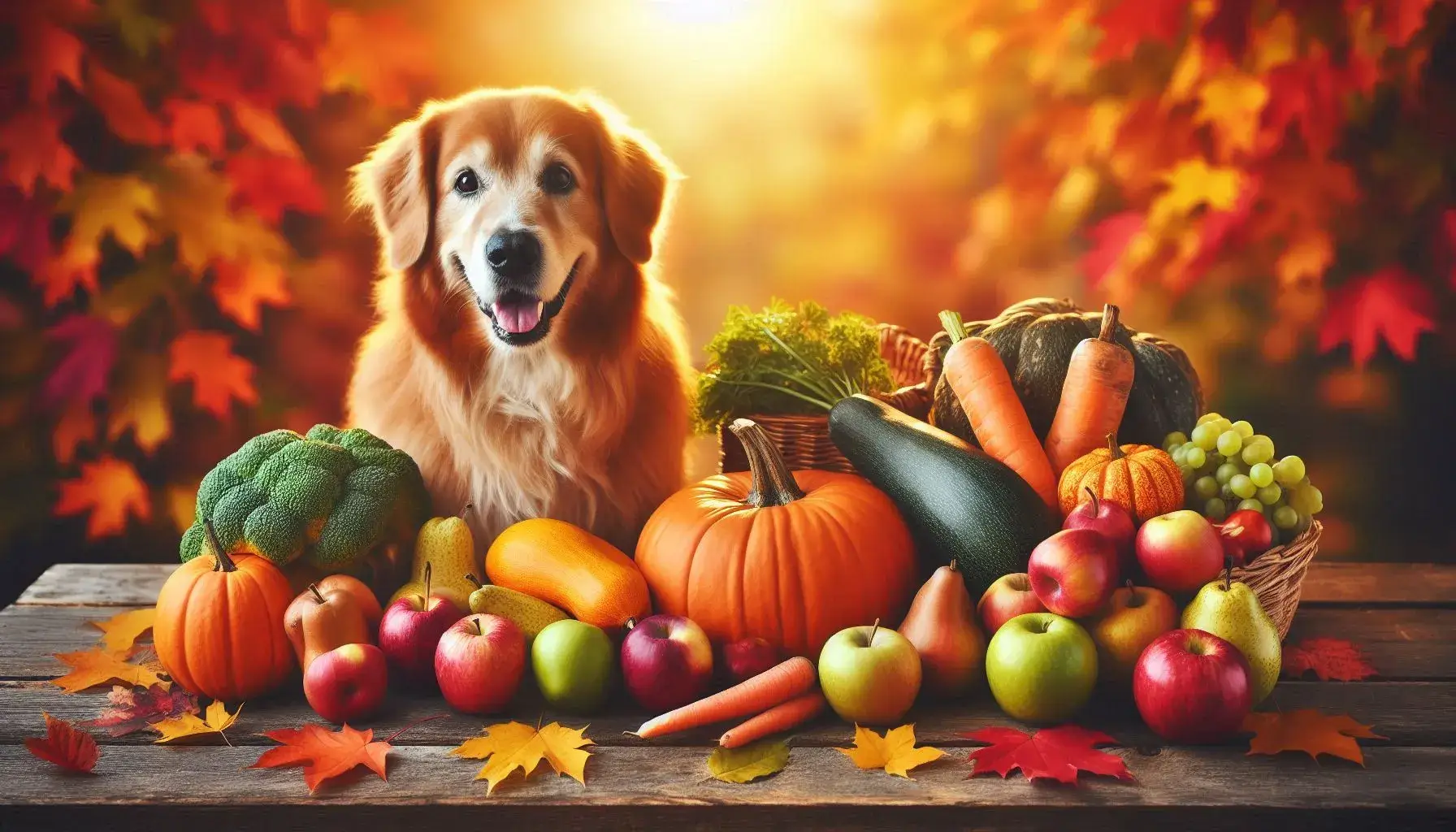
Fall comes with cold mornings, hot beverages, and a grocery store shelf with apples, squash, cranberries, and pumpkin spice products. You do know the temptation of asking what your dog can safely eat, because you have at more or less time watched your dog staring at your snack and thinking:
can your dog safely eat these fall fruits?
Brief response: most of them are harmless, some of them require moderation and some of them are harmful. We will examine the ones that are good to those that are not good to dogs and how to incorporate them without offending the stomach.
What types of foods can my dog consume? First of all, keep in mind: plain and single-ingredient foods that are cooked or not, and do not contain any spices are best. Butter and cinnamon might be very good to us, but they are unnecessary with dogs.
Apples are a dog fall treat. They contain high fiber, low calories and freshen breath. clean off the core and seeds they are full of cyanide. Apples in slices are also good as teething snacks or crunchy snacks.
Pumpkin is the fall digestive MVP. Cooked pumpkin that has become soft may be hardened to solid by the use of plain pumpkin or incorporated into mild constipation. Give 1-2 tablespoons per small dog, 3, 4 tablespoons per medium or large dog. Mix it into meals. Dogs that have a shiny coat after a couple of weeks can be traced back to the pumpkin due to its beta-carotene.
Sweet potatoes contain high amounts of carbohydrates and vitamins. Bake or boil them plain. They are stomach friendly, have energy and dogs love the texture. Cut into cubes or mash.
Butternut and winter squashes are hard to cut, but they are healthy. Butternut, acorn and spaghetti squash are safe varieties. Take away seeds and rind, these are difficult things to digest, and may choke dogs.
Cranberries are harmless yet not popular. Eat them in little bits in homemade cakes or a little topper. Cranberry juice should be avoided or store-bought sugary heavy sauces.
Green beans are available all year round and served as one of the fall favorites with mashed potatoes and turkey. They are slim, crunchy and are moderate in calorie content. Eat them as training rewards or incorporate them into meals as an addition of fiber.
All what you find in your fall basket does not go in the bowl of the dog.
Grapes and raisins are toxic. The failure of the kidneys can happen even with one grape. No exceptions.
Stuffing, soups and roasted mixes contain onions and garlic. They damage red blood cells.
The solanine toxin is present in raw potatoes. Cooked potatoes are safe.
Persimmons mostly are safe yet the seeds may block the intestine.
Always be uncertain and pick up wholesome foods that you are certain of being able to tell. Difficult dishes are those in which difficulties occur.
Use fruit and vegetables as supplements, but not subs. One of the guidelines is 10% of daily calories. In case of gas following new foods, the progressive introduction is beneficial.
The following are fast recipes that do not need a chef:
Topper: put in mashed pumpkin or chopped apples.
Frozen desserts: put in ice molds pure pumpkin or cooked squash.
Homemade chews: Peel potatoes and cut into thin slices and bake in low heat.
Training treats: cubes of green beans or cooked squash.
FAQs:
Can my dog eat canned pumpkin?
Yes, plain pumpkin only.
Are pears safe?
Oh, take away seeds and core.
Should I peel produce?
Yes to apples, squash and sweet potatoes.
Should dogs be able to consume cooked dishes in fall?
Eat the unseasoned ones.
Pumpkin spice?
No.
Click Here: Dog Shedding in Winter
Dog Shedding in Winter
It is possible to share all kinds of fall fruits and vegetables with your dog when you make it simple, do not use spices and are aware of risky ones. Best compatible are apples, pumpkin, sweet potatoes, squash and green beans. Fall produce is a healthy addition, a change of pace, and an invitation to your dog to be part of the family when the house is filled with baked goods. Share the success or failures, pet parents like to share ideas.