
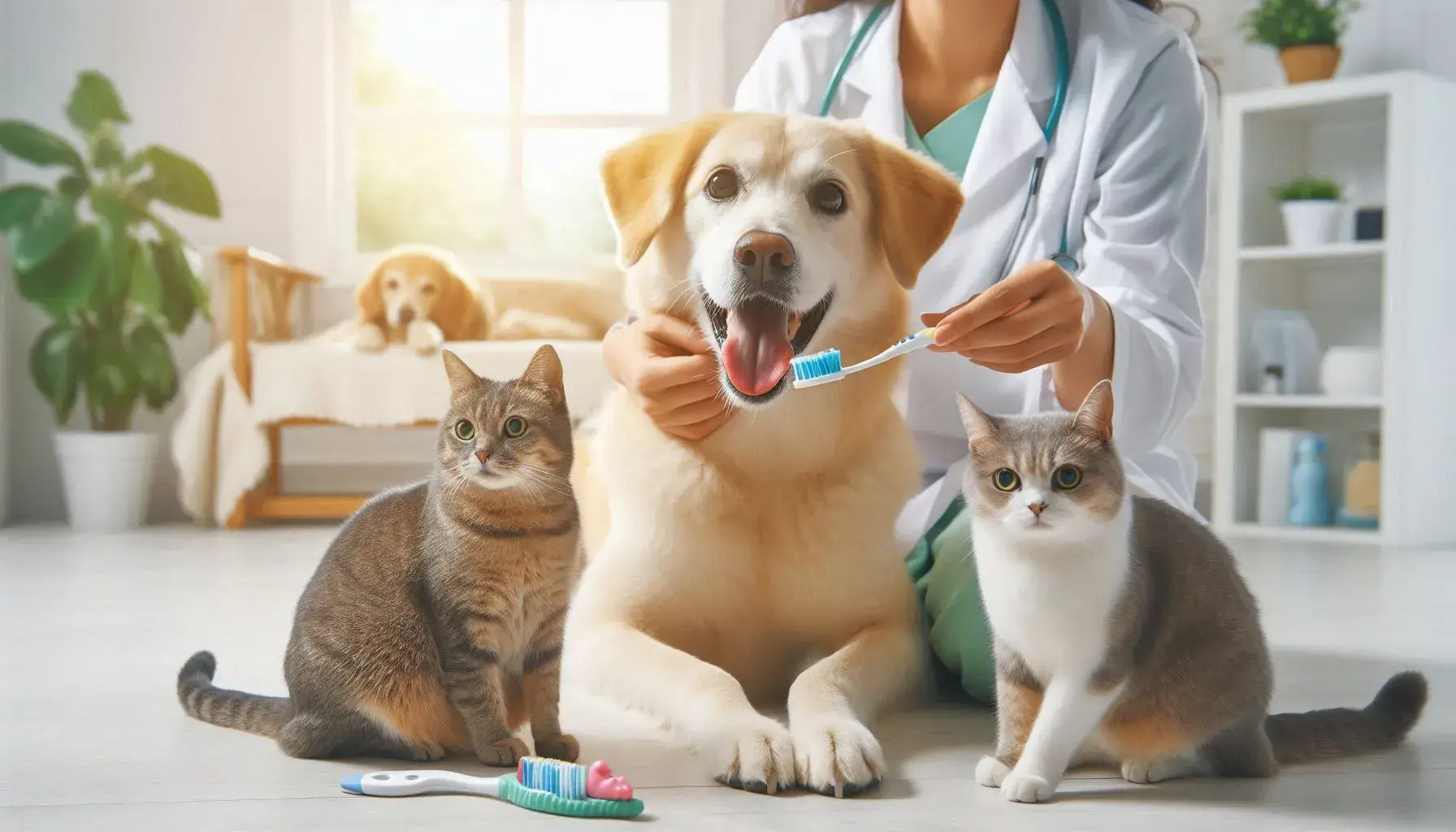
And when you ever smelled your pet and asked yourself what is wrong with them, you are not the only ones. Oral care to pets is usually at the end of the list of things to do even by the most devoted pet parents. The problem is that the dental issues do not hurt the mouth only. They are able to affect the appetite, cardiac conditions, and the general standard of living. I have witnessed pets that have been rescued after years of being neglected and it always makes me remember how important a clean mouth is.
The following is a guide that is workable and experience based and which you can actually adhere to.
Why Pet Oral Care is More Important than Most People Think.
Bad breath is quite common among the owners. It isn’t. The lack of bacteria is replaced by bacteria, which causes the hardening of the plaque into tartar, the withdrawal of the gums, and the increase of infections. Mouth pain is not expressed well in the dogs and cats, and thus the issue can be concealed until it becomes severe.
The following are some of the early signs that you may come across:
- Difference with chewing toys all of a sudden.
- Pawing at the mouth
- Dropping food while eating
- Red or swollen gums
- Classic “fishy” breath
They may escape into the bloodstream if they have not been treated. Vets are connected with heart, liver, and kidney problems. Be one step ahead of it instead of attempting to rectify it in the future.
What a Healthy Mouth is Like.
There is no need to be a veteran in order to have a quick at-home check. The gums are to be smooth and bubble-gum pink. The teeth are expected to appear quite clean, particularly around the gums. It is quite normal that pets accumulate a small amount of tartar as they grow old, but hard, brown stains are a warning sign.
Cats hide discomfort well. When your cat does not eat dry-food or tips his head while chewing, then you may have a reason to check nearby.
Everyday Domestic Care That Does Work.
Brushing (yes, it’s possible)
The gold standard would be to brush your pet teeth, but most individuals give up after the first day. Start slowly. Allow a few days to have your pet lick toothpaste off your finger then put in the brush. Keep sessions short and calm.
Some of the experiences and trial and error tips:
- pet toothpaste is only safe to use; human toothpaste is poisonous.
- The goal is not to be perfect, but to achieve a couple of seconds on each side.
- Pay attention to the back teeth, the place where the plaque forms most rapidly.
In case you can brush three or four times a week, you are even on the higher order of pet owners.
Dental Treats and Chews
Not every chew helps. Search about products that are accepted by the Veterinary Oral Health Council (VOHC). They have been tried in terms of plaque and tartar suppressing. My dog would replace me with dental chews and I tell you truthfully, they work well when I am not brushing my teeth.
Water Additives and Gels
Surprisingly, these are convenient to use by pets that do not respond to brushing. Consider them as givers of assistance, not as substitutes.
Professional Dental Cleaning: Expectations.
Complete cleaning under anesthesia will have your vet taking off tartar below the gum line where you begin to have trouble. The majority of dogs and some cats can have annual cleanings, which depends on age, breed, and heredity.
There are breeds that are infamous with dental problems:
- Small breeds of dogs (Chihuahuas, Yorkies, Shih Tzus)
- Short‑snouted breeds
- Particularly those with a tendency to gingivitis.
The difference is undeniable when a cleaning is presented by a vet on a before-and-after photo. As soon as the mouth is not paining, pets behave younger.
Oral Hygiene at the various stages of life.
Puppies and Kittens
Start early. Get them used to it, to having their mouths touched. Even such a habit as raising lips and touching the gums makes future brushing easier.
Adult Pets
This is where consistency comes in. Majority of dental diseases begin silently in the age group between two and five years and mostly in dogs that weigh less than 20 pounds.
Senior Pets
The elderly should be washed more gently and taken to the vet more often. They are more sensitive in their gums and lose teeth are typical.
Easy Things to Do to Change the World.
- Chew dental food a couple of times per week.
- Monitor drooling (cats in particular).
Face rubbing- is a frequent sign of pain, keep an eye out.
- Eat a healthy diet that promotes good health.
- Have a reminder in your phone to do mouth checks monthly.
These small practices accumulate to years of improved health.
FAQs About Pet Oral Care
What is the frequency of tooth brushing my pet?
Aim for several times a week. It is best daily, although even several times a week would be a significant change.
Are dental toys effective?
Some are. Find durable rubber or rough toys which stimulate scraping without injuring teeth.
Does the cat actually need to have its teeth brushed?
Yes. Cats are prone to gum disease. Even brief brushing sessions are as much assistance.
Can dental cleanings be safely performed under anesthetic conditions?
The contemporary vet procedures are very secure. The bloodwork will be conducted in advance by your vet to ensure you have a good candidate.
My pet hates brushing. What now?
Test gels, wiping, or water additives. Meanwhile, you can make half way there with alternatives as you continue working on tolerance.
Click Here: Pet Insurance
One Last Word about Pet Dental Hygiene.
proper pet oral care does not require overwhelming. Create a basic habit, bring some useful items and get your pet to the vet regularly. You will make your pet healthier and more comfortable in general. I have heard pets be the same as grumpy and lazy and come back to life as easily as they get tired. It is among the least exploited vehicles of enhancing their life.
You can also subscribe or leave a comment as you would like to receive more tips on pet-care. Happy brushing.